


11 Tips on How to Improve Sleep for Soccer Performance
Most soccer players obsess over their training but completely ignore the one thing that determines whether that training actually works or not: sleep. Sleep is one of the most powerful tools to develop overall soccer performance because it has a huge impact on all the most essential parts of the game: talent, soccer IQ, mindset, athleticism, fitness, and recovery.
While soccer players spend countless hours perfecting their technique and physical conditioning, many struggle with poor sleep quality, inconsistent sleep schedules, and sleep deprivation that affects everything they’re working for. The irony is that improving your sleep is basically free, doesn’t require much special equipment, and delivers bigger performance gains than most expensive supplements or training programs—yet it remains the most overlooked aspect of player development.
As a graduate of kinesiology: rehab science, amateur soccer player, soccer trainer, and sports coordinator, and through my years of playing and studying, I’ve learned that, along with the right training, breath work, nutrition, hydration, EMF protection, and other healthy habits, sleep is one of the most important off-the-field activities that all players should prioritize. In this blog, I will explain everything you need to know about sleep, why it’s important, and how to improve your sleep quality to become a better player, get in better shape, and recover faster.
How to improve sleep hygiene to get better sleep quality as a soccer player?
When it comes to sleep, both sleep quantity and sleep quality are equally important. The goal is to get 7-8 hours of high-quality deep sleep, which means you sleep the whole night without waking up in the middle of the night, and you wake up energized, ready to take on the day.
Your circadian rhythm is your internal 24-hour biological clock that governs sleep-wake cycles and is primarily influenced by light and darkness—these natural light-dark cycles tell your body what time of day it is and which functions and hormones to prioritize. Aligning your circadian rhythm by seeing the sunrise, getting sunlight during the day, watching the sunset, and avoiding blue light at night not only improves sleep quality but also optimizes mitochondrial function, which is why it’s one of the most powerful (and free) ways to enhance both recovery and athletic performance.
These are some of the best sleep tips to help you align your circadian rhythm and get better quality deep sleep.
Have a Consistent Sleep Schedule
Go to sleep and wake up at the same time, or around the same time, every day. The body likes routines and thrives on consistency, which is why maintaining a regular sleep schedule helps regulate your circadian rhythm that controls sleep-wake cycles, hormone production, body temperature, and countless other physiological processes that directly impact your football performance.
Get 7-8 hours of high-quality total sleep duration
7-8 hours of sleep is not really the same thing as 7-8 hours of high-quality sleep because you could spend 8 hours in bed but still wake up exhausted if you’re frequently waking during the night, not reaching deep sleep stages, or experiencing a poor REM cycle. True high-quality sleep means uninterrupted rest where your body cycles properly through all sleep stages, allowing for complete physical recovery, memory consolidation, and hormonal regulation that soccer players need for optimal performance.
Wake up early enough to see the sunrise
Wake up early enough to see the sunrise and make it a priority to get outside for at least 10 minutes within the first hour after waking up every day. Morning sunlight contains specific red and infrared light wavelengths that signal your brain to stop producing melatonin (waking you up) and start a 12-16 hour timer that will trigger melatonin production again at night, setting your circadian rhythm for the entire day.
This simple practice costs nothing, takes less than 10 minutes, yet it’s one of the most powerful ways to regulate your sleep-wake cycle, boost energy levels, and ensure you fall asleep easily when bedtime comes.
Find ways to relax before bed to fall asleep easier

Create a calming pre-sleep routine that signals your body that it’s time to wind down, making it easier to fall asleep naturally without tossing and turning for hours. Some of the most effective relaxation techniques include reading a physical book (not on a screen), listening to a calming podcast or interview, practicing breathing exercises, or using natural recovery tools like rolling out or taking a hot Epsom salt bath.
The key is to avoid overstimulating activities like being on your phone and instead focus on activities that lower your heart rate, reduce cortisol levels, and prepare your nervous system for deep, restorative sleep.
Do not eat at least 2-3 hours before bed
Avoid eating large meals within 2-3 hours of planning to go to sleep because digestion raises your core body temperature and diverts energy and blood flow to your digestive system, both of which prevent your body from entering the deep, restorative sleep stages needed for recovery. When you sleep, your body temperature naturally drops to facilitate rest and repair, but eating late forces your body to focus on digestion instead of recovery, leading to disrupted sleep, frequent waking, and poor sleep quality.
If you’re hungry before bed, eat a light and small snack or fast until the next day, rather than eating a full meal, and also make sure to prioritize eating your largest meals earlier in the day when your metabolism is most active.
Keep your bedroom cool (60-67°F/15-19°C)
Your body temperature naturally drops during sleep to facilitate deep sleep and restorative sleep, which is why keeping your bedroom cool between 60-67°F helps you fall asleep faster and improves overall sleep quality. Depending on your living situation, you can open a window to keep the room cool, and if you get cold, use blankets.
Protect Your Eyes from Blue Light After Sunset

Blue Light Blockers
$40.00

Red Light Bulbs
$15
Blue light from screens and artificial lighting disrupts your circadian rhythm by suppressing melatonin production, which delays sleep onset and hurts sleep quality. To protect your sleep, wear blue light-blocking glasses 2-3 hours before bed, switch to red light bulbs ,flame-style bulbs, or candles after sunset (instead of bright white LEDs), and download IRIS software on your computer to filter blue light emissions if you must use devices after sunset.
Elite athletes and professional soccer players who use these blue light protection strategies consistently report better sleep quality, faster recovery between training sessions, improved reaction time, and increased athletic performance compared to players who expose themselves to artificial blue light late into the night.
Use a Weighted Blanket

Weighted blankets provide deep pressure stimulation that reduces cortisol levels, lowers mental fatigue, and promotes relaxation, helping soccer players fall asleep faster and experience better sleep quality throughout the night. Many elite soccer players use weighted blankets as part of their sleep hygiene routine because they can improve subjective sleep quality, reduce the time it takes to fall asleep, and support the recovery process needed for optimal football performance.
Use Black Out Curtains
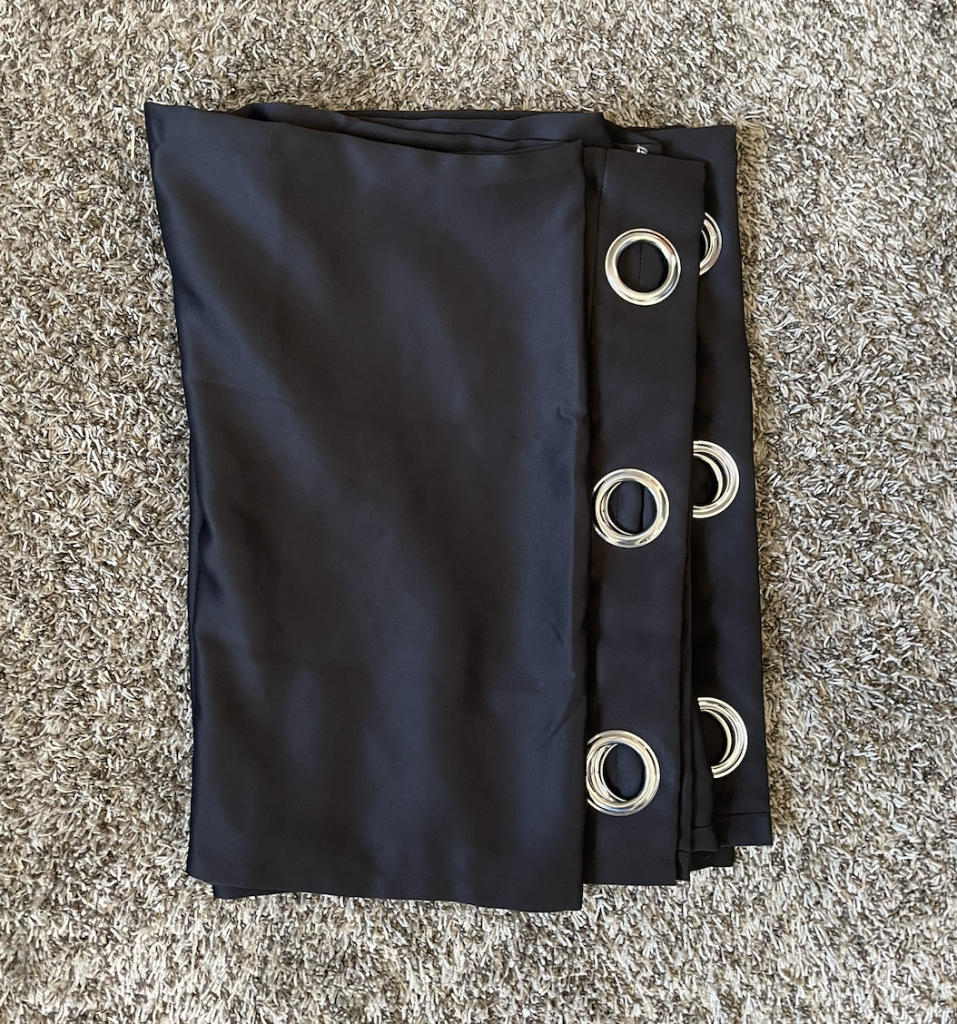
Blackout curtains eliminate external light pollution from the outside that can disrupt sleep and prevent your body from achieving the deep sleep stages necessary for both physical and cognitive recovery. Even small amounts of light during sleep can affect sleep quality and reduce sleep efficiency, which is why it is important to invest in complete darkness to maximize restorative sleep and athletic performance.
Use Sleeping Mask + nasal strips + mouth tape
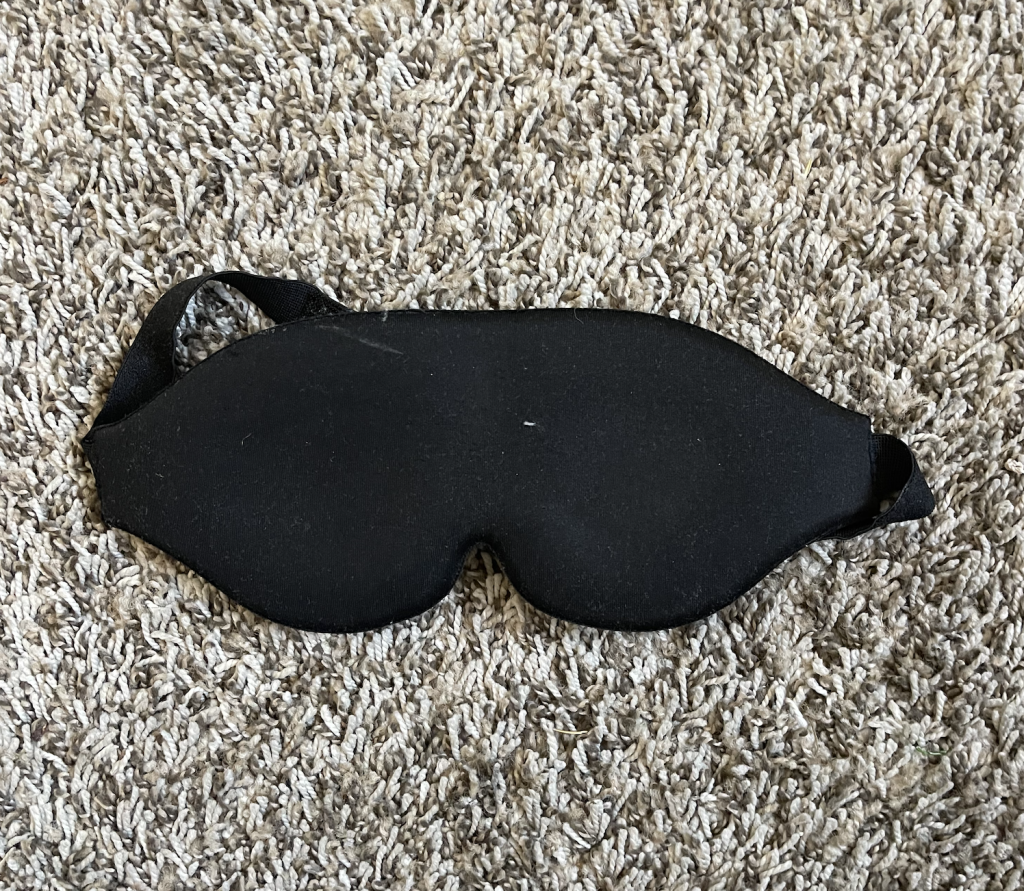
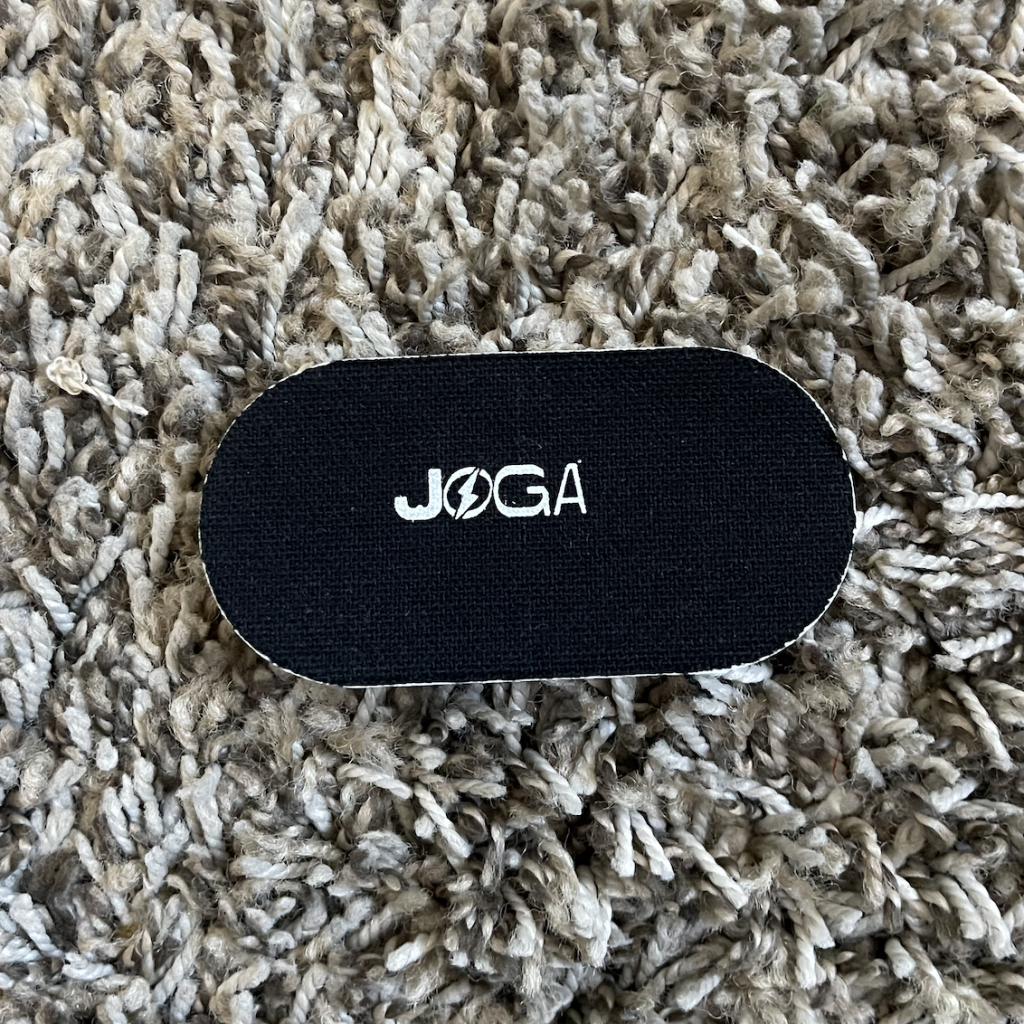

If you don’t have blackout curtains, a quality sleeping mask blocks out all light to support melatonin production and deeper sleep, while nasal strips improve breathing, and mouth tape encourages nasal breathing throughout the night. A lot of athletes use this combination of sleeping mask + nose strips + mouth tape to maximize sleep efficiency, improve oxygen uptake during sleep, reduce sleep onset latency, and ensure their body releases growth hormone properly during deep sleep stages.
Do not use sleep medicine or fake melatonin
Finally, avoid sleep medicine and synthetic melatonin supplements because they disrupt your body’s natural circadian rhythm and can lead to poor sleep quality and dependence that prevents your body from producing melatonin naturally. Instead of relying on pills, do everything else on this list first, consistently, and over a long period of time.
Final Thoughts
To summarize, sleep is a superpower that most soccer players completely overlook despite it being free, accessible to everyone, and more impactful than expensive supplements or training programs. By consistently getting 7-8 hours of high-quality sleep and aligning your circadian rhythm through simple practices like morning sunlight exposure, reducing blue light at night, and maintaining a consistent sleep schedule, you’ll experience better physical recovery, improved cognitive function, faster reaction times, reduced injury risk, and better performance in basically all aspects of the game.
Start implementing these sleep tips tonight, your body will thank you tomorrow morning, and your performance on the field will prove it was worth it if you stay consistent.
Frequently Asked Questions
How much sleep is recommended for soccer players?
Soccer players, including youth and professional soccer players, need 7-8 hours of high-quality sleep every night for optimal athletic performance and proper recovery. This number is the sweet spot, with fewer hours being detrimental to reaction time, cognitive function, physical recovery, and injury risk, while sleeping significantly more than 8 hours can disrupt your circadian rhythm and leave you feeling more groggy instead of energized.
Why is Sleep Important for Soccer Players?
Soccer is one of the most physically and mentally demanding sports, and scientific studies show that players who consistently get 7-8 hours of high-quality sleep per night experience better recovery, improved performance on the field, and reduced injury risk. The key to experiencing these benefits is consistency—you can’t expect one good night of sleep to deliver the same results as maintaining proper sleep habits daily, which is why elite athletes prioritize sleep as much as training.
- Improved physical performance and cognitive function
- Improved physical and mental recovery
- Decreased physical and mental stress
- Decreased risk of injury
- Strengthens the immune system
- Faster reaction times and better decision making
- Better energy levels
- Improved mood
What are the negatives of not getting enough sleep as a soccer player?
Not getting enough sleep daily, getting a bad night’s sleep, and becoming sleep-deprived, even partially sleep-deprived, has many negative effects, such as:
- Decreased physical and mental performance and recovery
- Increased injury risk
- High blood pressure
- Weaker immune system
- Slower reaction time and decision-making skills
- Increased stress levels
- Mixed and inconsistent mood and energy levels
What are the best soccer recovery options for players?
The best soccer recovery options for players include high-quality soccer recovery equipment, effective injury prevention tools, and structured habits built through following consistent routines, from training routines and daily routines to morning routines that support performance and longevity. It is also important for players to invest in off-field recovery tools and in-game protective gear, such as compression gear, shin guards, supportive footwear like barefoot shoes, extra recovery accessories such as EMF protection for soccer players, and foundational support from soccer supplements to help the body recover, adapt, and stay resilient throughout the season.
