


Soccer Nutrition: 9 Tips to Fuel Your Mind and Body
When it comes to soccer performance, food is either medicine or poison; there’s no neutral ground. Every piece of food you consume either gives your body energy, helps it heal, or disrupts your energy systems and slows down recovery.
As a soccer player, proper, high-quality nutrition is one of the most important parts of improving performance, getting in better shape, and improving recovery, along with hydration, sleep, supplementation, spending time in nature, and using Non-Native EMF protection. Recovery is one of the pillars of player development along with talent, game IQ, mindset, athleticism, fitness, and discipline, and nutrition is just one piece of the entire puzzle.
Nowadays, thanks to technology and social media, new diets, trends, and way too much nutrition information make it hard for soccer players to know what works and what doesn’t. This is because you can find a lot of information saying one thing, and at the same time, find the same amount of information saying the opposite, with “experts” on every side.
As a graduate of Kinesiology: Rehab Science, soccer player, trainer, sports coordinator, and certified nutrition coach, I know every player’s nutritional needs are unique, and what works for one athlete might not work for another because of differences in metabolism, training load, goals, and lifestyle.
However, there are fundamental nutrition principles rooted deep in human biology and physics, on how the human body actually works, that can benefit all athletes, which is what I will be covering in this post. If you’re interested in taking your training to the next level with a structured program, you can reach out to me or learn more here.
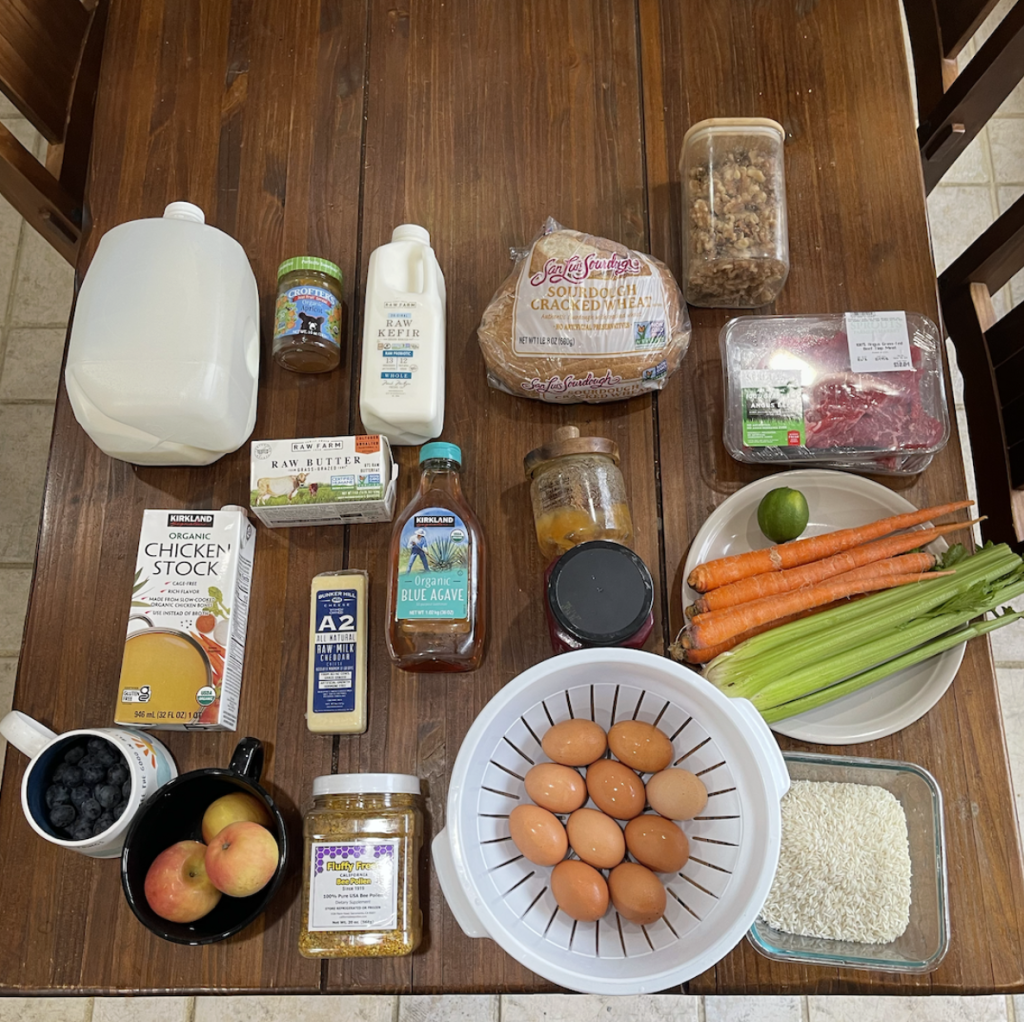
What are smart nutritional strategies for soccer players who want to improve sports performance?
Prioritize local and in-season foods
Foods that grow locally and in season in your environment do so for a reason. They’re perfectly adapted to your region’s sunlight patterns, soil minerals, and environmental conditions, so they provide the exact nutrients, electrons, and circadian information your body needs to thrive in that same environment.
This goes deeper than just looking at food macros because local foods carry a photogenic barcode from your region’s sunlight and soil that your mitochondria recognize and use better than foods shipped from thousands of miles away, which grew under completely different light conditions.
Get organic, grass-fed, pasture-raised, and wild-caught options
While you should look for local foods, it is also important to choose organic, grass-fed, pasture-raised, and wild-caught options because these animals were raised in their natural environment, eating a natural diet that produces meat, eggs, and dairy with higher nutrient density than animals raised in poor conditions. When it comes to eating animal foods, the most important things to consider are how the animals were raised and what they were fed, because this has a huge impact on food quality.
Support local farmers’ markets when possible for fresh produce
One of the best ways to find these local foods in your area is by supporting local farmers ‘ markets. Shopping at farmers’ markets gives you direct access to the freshest, most nutrient-dense produce harvested at peak ripeness, allows you to build relationships with farmers so you know exactly how your food was grown, and maybe get deals in the future, all while supporting your local community.
Prioritize nutrient-dense whole foods and minimally processed foods
One other thing to consider besides only getting local foods is getting local nutrient-dense foods that are as close to their natural state as possible, meaning minimal processing, short ingredient lists with recognizable ingredients, and foods that retain their natural enzymes, vitamins, minerals, and electron-rich properties. The more a food is processed, through heating, refining, adding preservatives, or stripping away nutrients, the more electron-depleted it becomes, forcing your body to work harder to extract less usable energy, increasing inflammation, and other negative effects.
Read ingredient labels and choose foods with fewer additives
Sometimes you might not have access to real foods, and you might have to buy something for convenience. When this happens, learn to read ingredient labels carefully and choose products with the fewest ingredients possible, ideally five or less, that you can actually pronounce and recognize, while avoiding seed oils, artificial sweeteners, synthetic preservatives, food dyes, and other additives that have negative effects in the long-term.
Time your meals appropriately around training and games
Besides eating the right foods, eating at the right times is also very important. Eating 2-3 hours before training sessions or competitive matches, and within 30-60 minutes after, ensures your body has optimal fuel for peak performance, prevents digestive discomfort during high-intensity exercise, and kickstarts recovery by replenishing energy stores and starting muscle repair.
If you’re really hungry close to a game, or even during a game, it is important to pack healthy snacks in your soccer bag.
Understand the Role of Nutrients and Anti-nutrients
Understanding and getting enough of the six essential nutrients- water, carbohydrates, fats, proteins, vitamins, and minerals- is fundamental for soccer players because each one plays a specific role in energy production, muscle protein synthesis, recovery, and overall athletic performance. Players should also be aware of anti-nutrients, plant defense chemicals found in many foods that can block nutrient absorption and disrupt digestion.
Eat High-Quality Raw Foods from a Trusted Source
High-quality raw foods from trusted brands, such as raw dairy like raw milk, raw kefir, and raw cheese from brands like RAW FARM, provide the most bioavailable essential nutrients, natural probiotics, and intact enzymes that pasteurized alternatives cannot deliver because the pasteurization process destroys beneficial bacteria, vitamins, and the electron-rich properties. Besides Raw Dairy, other foods can be consumed raw, such as raw eggs, raw fish (such as sushi), and raw beef (such as beef carpaccio), but they must come from a high-quality, reliable source.
Keep a High Hydration Status Throughout the Day
When talking about nutrition, it is also important to talk about getting adequate hydration. In general, players should avoid mainstream sports drinks filled with artificial sweeteners, dyes, and refined sugars, and instead choose natural spring water, coconut water, or high-quality electrolyte mixes with sea salt and trace minerals to properly replenish the body during training and games.
Final Thoughts
Proper soccer nutrition is the foundation for optimal performance and long-term athletic success. By focusing on essential nutrients, adequate hydration, and whole foods that meet your energy requirements, soccer players can improve recovery, endurance, and overall body composition for peak results.
Frequently Asked Questions
What are the sports nutrition needs for soccer players to improve overall performance?
Soccer players should prioritize balanced carbohydrate intake, high-quality proteins, and essential fats to meet the physical demands of training, high-intensity actions, and competitive matches. These nutrients help maintain muscle glycogen concentration, support muscle protein synthesis, and provide the sustained energy needed for optimal performance during training sessions or game days.
What are the benefits of proper nutrition and hydration status?
Maintaining proper hydration status and consuming nutrient-dense foods improve endurance performance, reduce muscle cramps, and help sustain fluid balance during high-intensity exercise. This combination of proper sports nutrition and adequate hydration also improves recovery, supports athletes’ performance, and promotes overall health and energy availability.
How Does Body Composition Affect Soccer Performance and Nutrition Needs?
A player’s body composition, including fat-free mass and body weight, directly impacts speed, endurance performance, and overall physical performance on the field. To optimize soccer performance, players should tailor their sports nutrition by balancing energy intake and expenditure, prioritizing lean proteins and essential fatty acids, and staying adequately hydrated to support muscle recovery, strength, and agility throughout training and competition.
What are the best soccer recovery options for players?
The best soccer recovery options for players include high-quality soccer recovery equipment, effective injury prevention tools, and structured habits built through following consistent routines, from training routines and daily routines to morning routines that support performance and longevity. It is also important for players to invest in off-field recovery tools and in-game protective gear, such as compression gear, shin guards, supportive footwear like barefoot shoes, extra recovery accessories such as EMF protection for soccer players, and foundational support from soccer supplements to help the body recover, adapt, and stay resilient throughout the season.
