

Hydration for Soccer Players: 11 Game-Changing Hacks
Hydration is one of the most important parts of soccer performance on the field and recovery off it, yet unfortunately, much of the information most players have been taught about hydration is wrong. Gatorade isn’t helping you, plain water isn’t hydrating you, and that expensive sports drink deal with your favorite player? It’s just marketing.
Soccer players are constantly looking for the next training gear, trend, or accessory to help them improve their performance, and sometimes don’t realize that improving the basics of player development, which includes talent, game IQ, mindset, athleticism, fitness, recovery, and discipline, is the most important thing for becoming a better player and getting in better shape. Hydration is part of recovery, and overall recovery includes everything from sleep and proper nutrition to EMF protection and how much time you spend grounding and in nature.
Hydration for soccer players is crucial before, during, and after training sessions or games because it directly affects energy levels, physical performance, mental clarity, recovery, and your ability to perform at your best. In this blog, I will share the best hydration advice for soccer players to boost performance.
If you’re interested in taking your training to the next level with a structured program, you can reach out to me or learn more here.

What are the best Hydration Tips for Peak Performance in Adult and Young Athletes?
Proper hydration is critical for elite football players because adequate hydration directly affects skill performance, endurance, and peak performance during high-intensity training sessions and soccer matches. Elite professional soccer players must restore fluid and electrolyte losses to support body temperature regulation, avoid muscle cramps, optimize the post-exercise recovery process, and to make sure their in-game performance is not disrupted by dehydration.
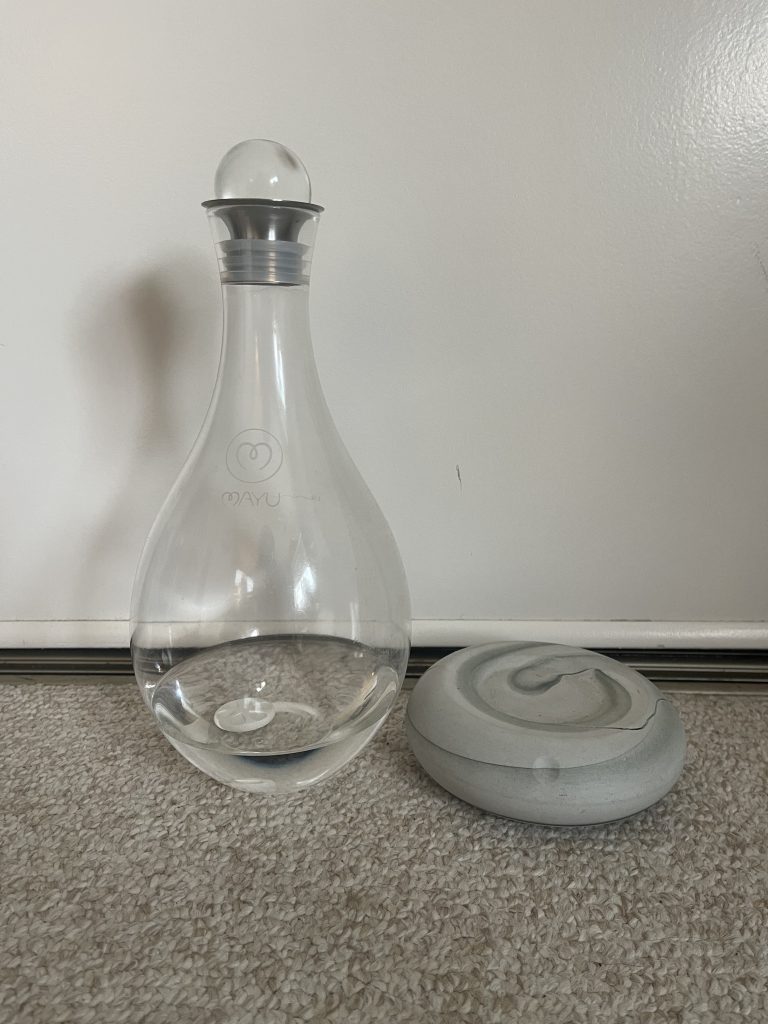
Mayu Swirl
$198.00
Understand the Difference Between Liquid Water and 4th Phase Water
When talking about water, I also have to discuss the different phases of water. The water inside living humans is unlike the three phases most people are familiar with: solid, liquid, and gas.
This water inside living organisms, living foods, and “living” bodies of water is called the Fourth Phase of Water (also known as Exclusion Zone water (EZ) or structured water), which means it is not any of the other three phases.
EZ water is more like a liquid gel or crystal found around the surfaces of hydrophilic, water-attracting substances, like certain molecules in our living tissues. This unique water also helps create a battery-like electrical system in the body that can give you energy, act as a messaging system, and help keep you hydrated.
This topic should be taught in schools and to the general public because it is mind-blowing once you understand that water has a unique Fourth Phase that forms only inside living organisms like us. Under a microscope, this fourth phase of structured water forms honeycomb-like patterns, showing the amazing patterns found throughout nature.
When you look at regular liquid water under a microscope, the molecules are scattered and not arranged in a structured way. One way to help structure your water and make it more like a spring is to use the Mayu Swirl.
Prioritize drinking natural spring water
Natural spring water is by far the best type of water you can drink because it contains minerals and electrolytes that support hydration, joint function, and nerve signaling throughout your body. Ideally, store the water in glass and avoid tap water.
If you cannot get natural spring water, the next-best option is purified reverse osmosis water, though you’ll need to add minerals back in since the filtration process removes both contaminants and beneficial minerals.
Add Lime, Uncooked Raw Honey, and Sea Salt to Your Water
If you’re drinking reverse osmosis water that needs added electrolytes, adding lime juice, raw honey, and sea salt to your water restores the essential minerals your body needs: sodium, potassium, magnesium, and calcium, turning plain drinking water into a hydrating drink. You can try different, similar combinations to vary it up, but this is often one of the best because it’s basically a healthy lemonade.
If you need an Electrolyte Supplement, use a High-Quality Brand
Another way to add electrolytes to water is by using a quality electrolyte supplement like Redmond Re-Lyte Hydration Powder, which is made with real sea salt and provides clean electrolytes without artificial ingredients. This is a convenient option for soccer players who need quick fluid replacement during training sessions or matches and don’t have time to make their own homemade drink.
Start your day with a vegetable juice made of local, organic vegetables
When you sleep, you go 7-8 hours without water, which means your body wakes up dehydrated and in need of minerals, electrolytes, and structured water to rehydrate your cells. Starting your morning with fresh vegetable juice made from local, organic vegetables like celery, lime, and carrots provides essential nutrients that support hydration and prepare your body for the day.
You can also try different vegetable juice combinations, and ideally, focus on in-season, local, organic vegetables.
After 30 minutes of drinking vegetable juice, eat 2-4 raw eggs like Rocky Balboa
After you drink your vegetable juice, eat 2-4 raw eggs to fuel your body with high-quality bioavailable protein and healthy fats that support sports nutrition and recovery. If you’re not ready to eat them raw, you can eat them soft-boiled, poached, or sunny-side up to keep the yolk intact and preserve the nutrients.
If you choose to eat raw eggs, make sure they come from a trusted local farm and have never been washed or refrigerated, since they still have their natural protective coating (called the “bloom”) that helps keep them fresh and safe. Always prioritize clean, high-quality sources for both safety and nutrient value.
Eat Hydrating Foods
As a soccer player, one way to get hydrated is by eating hydrating foods that contain structured water and essential nutrients such as fresh local fruits, vegetable juices, raw eggs, raw fish (like sushi), raw meats (like beef carpaccio), raw dairy (like raw milk), and raw honey. As you eat more of these hydrating foods throughout your daily routine, you’ll find that you stay better hydrated without needing to drink as many fluids.
Drink Fruit Juices or Coconut Water
Besides natural spring water and home-made drinks, fresh fruit juices and coconut water are other excellent natural alternatives to mainstream sports drinks. Fruit juices and coconut water provide natural electrolytes, essential nutrients, and fluid replacement that support proper hydration and restore fluid balance during and after training sessions without artificial ingredients.
Do not drink Gatorade and other Mainstream sports drinks
Mainstream sports drinks like Gatorade and Powerade are loaded with artificial ingredients, excessive sugar, and preservatives that don’t support long-term soccer performance or optimal hydration status for either youth soccer players or elite professional soccer players. These carbohydrate-electrolyte drinks are basically soda with added electrolytes, and the marketing that uses professional athletes is meant to convince players these products are necessary for peak performance and proper hydration when, in reality, they harm the body.
Store your water in glass or high-quality stainless steel or copper water bottles
No matter what you’re drinking, store your fluids in glass or stainless steel bottles and avoid plastic water bottles, because plastic can leach chemicals into your fluid intake that disrupt proper hydration and hormone function in soccer players. This may sound like too much, but sourcing and storing your water correctly is crucial for maintaining optimal hydration and avoiding toxins that can negatively affect soccer performance and recovery if they build up over time.
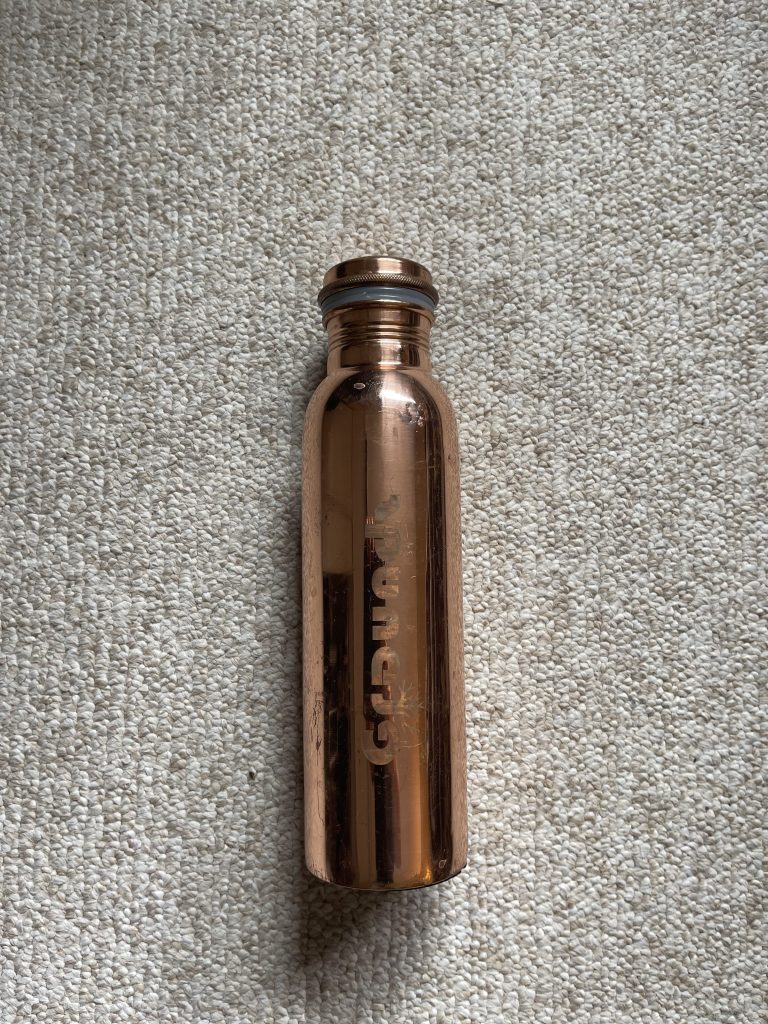
Copper Water Bottle
$ 39.95
Listen to Your Body’s Thirst Signals
Generally, it is hard to suggest how much water to drink daily, and some water intake recommendations may not work because hydration will vary from person to person, depending on an individual’s mitochondrial function and how much hydration the food and liquids they consume provide.
As I mentioned before, the more you learn how to hydrate yourself properly, and the more you experience the benefits of hydrating with foods and improving your mitochondrial function, the better you will intuitively know how much water your body wants. Do your best to drink as much water as you feel your body needs.
As a rule of thumb, eat healthy, eat foods that hydrate, and drink natural spring water when you are thirsty.
Final Thoughts
To summarize, proper hydration matters for all soccer players, from youth players to elite professionals. Proper hydration goes hand in hand with proper sports nutrition, and these are two of the most important things to improve daily, along with your training, sleep, and EMF protection.
In this blog, I covered everything you need to know about hydration. I broke down some hydration myths and shared hydration tips you can start using today. Remember, to improve your chances of making your soccer dreams a reality, you have to take care of every aspect of your life that affects performance, including hydration.
Frequently Asked Questions
What is the best hydration drink for soccer players?
The best hydration drink for soccer players is natural spring water with added lime juice, raw honey, and sea salt, or a homemade electrolyte drink made with coconut water, spring water, lime juice, sea salt, and raw honey. These natural options provide essential minerals and electrolytes that support proper hydration and fluid balance without the artificial ingredients found in mainstream sports drinks like Gatorade.
How to properly hydrate before a soccer match?
To properly hydrate before a soccer match, start your day with vegetable juice followed by raw eggs, then drink natural spring water with added electrolytes throughout the day while eating hydrating foods like fresh fruits. Avoid drinking excessive amounts of plain water right before the match; instead, focus on gradual fluid intake with proper electrolytes to ensure your body can absorb and use the fluids for peak performance.
What are the effects of dehydration?
Dehydration, even mild dehydration, can decrease skill performance, reduce mental and physical performance, lower energy levels, and increase the risk of muscle cramps during training sessions and soccer matches. Severe dehydration can also cause heat-related illnesses like heat exhaustion and heat stroke, impair body temperature regulation, and negatively affect endurance and subsequent performance in high-intensity situations.
What are the best soccer recovery options for players?
The best soccer recovery options for players include high-quality soccer recovery equipment, effective injury prevention tools, and structured habits built through following consistent routines, from training routines and daily routines to morning routines that support performance and longevity. It is also important for players to invest in off-field recovery tools and in-game protective gear, such as compression gear, shin guards, supportive footwear like barefoot shoes, extra recovery accessories such as EMF protection for soccer players, and foundational support from soccer supplements to help the body recover, adapt, and stay resilient throughout the season.
