

13 Proven Tips on Proper Foot Care for Soccer Players
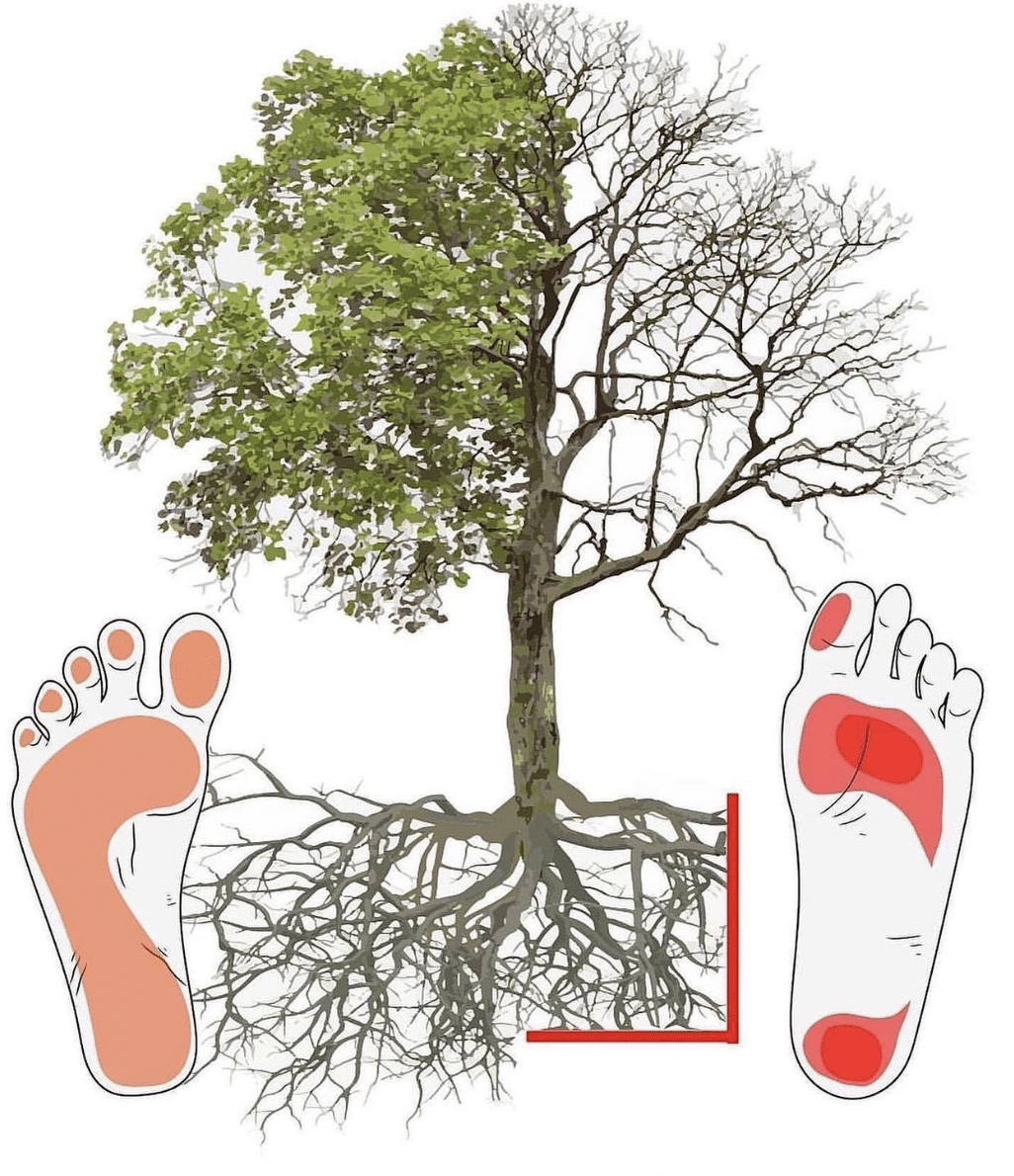
Your feet are like the roots of a tree; if they’re weak and dysfunctional, everything above them, your ankles, knees, hips, and entire kinetic chain, becomes compromised and vulnerable to injury. This means that your feet have to be strong and have a good base of support since they are your foundation and your main connection to the ground.
As a soccer player, it should be no surprise that proper foot care is one of the most important things you can do to improve your overall performance, get in better shape, and prevent common foot injuries. I mean, it is literally in the name, “foot” ball.
Most soccer players spend thousands on soccer cleats and training gear, which could be helpful, but they completely ignore the foundation that connects them to the field, their feet. As a graduate of Kinesiology: Rehab Science, current amateur soccer player, soccer coach, and sports coordinator, I’ve experienced many foot issues in the past, such as ankle sprains and toe problems.
This led to ongoing research that completely changed how I understood foot function, fascia health, and the neurological connections between your feet and the rest of your body. In this blog post, I’ll share the proven foot care strategies that helped me overcome my own foot problems and have helped players build the strong, resilient foundation needed to dominate on the field while staying injury-free.
What are the Best Foot Care Tips for Injury Prevention and Better Performance for Soccer Players?
Take Daily Barefoot Walks
Walking barefoot for 10+ minutes daily strengthens the intrinsic foot muscles, improves proprioception, and allows the feet to move naturally without the restrictions of cushioned shoes. This practice also provides Grounding Therapy when done on natural surfaces, which reduces inflammation, promotes circulation, and improves the neurological connection between your feet and the rest of your kinetic chain.
Practice Soccer Barefoot
Walking barefoot is important but as a soccer player playing barefoot is even more important. Training barefoot for 10+ minutes daily gives you direct feedback from the ground, strengthens your plantar fascia and arch of the foot, and develops the fascial tension that elite athletes possess, ultimately improving foot-eye coordination, ball control, and athleticism.

Use Toe Spacers Daily
Wearing toe spacers for 15+ minutes daily reverses the damage caused by narrow cleats and shoes by realigning your toes to their natural spread position. This simple tool improves foot function, restores proper weight distribution across your foot, strengthens intrinsic foot muscles, and helps prevent common issues like bunions, hammertoes, and poor balance.
Sit in Seiza Position
Sitting in Seiza position (kneeling with tops of feet flat on ground) for 10+ minutes daily stretches your plantar fascia, improves ankle mobility, and strengthens the often-neglected muscles and connective tissue in your feet and lower legs. This traditional Japanese sitting position helps reverse the dysfunction caused by modern furniture and footwear, directly improving your stability and power generation on the field.

Soccer Cleats
$Price Varies
Wear Wide Leather Soccer Cleats on the Field
Wide soccer cleats, especially those made from leather, allow your toes to spread more naturally inside of the cleats and also they provide a personalized fit that synthetic materials cannot replicate. Nowadays a lot of brands are switching to synthetic leathers, but real leather will always be superior.

New Balance Minimus
$67.19 – 104.82
Wear Minimalist or Barefoot Style Shoes off the Field
Minimalist and barefoot-style shoes have thin, flexible soles with zero heel drop, allowing your feet to move, flex, and work naturally. Switching from cushioned shoes to barefoot shoes, might take some time to get used to but, it will strengthen your intrinsic foot muscles, improve ankle stability, and enhance proprioception, similar to if you were walking barefoot.

Soxsense Toe Grip Socks
$19.99
Wear Toe-Shaped socks
Toe-shaped socks, also called toe socks, allow each toe to move independently, and they’re basically like gloves for your feet. These socks work alongside toe spacers and wide footwear to maintain proper foot alignment, improve circulation to each toe, and support the fascial health needed for optimal foot function during training and games.

Lux Anti-Slip Socks
$17.95
Use code on Luxsports.com: Daniel70650 to get 15%-20% off your entire order
Wear High-Quality Grip Socks
High-quality grip socks with non-slip grip pads on the bottom and a compression fit reduce movement inside your cleats, preventing blisters and improving stability during quick cuts, sprints, and directional changes. Nowadays there are also grip toe socks which are the best type in my opinion.

Invest in High Quality Insoles
High quality insoles like the VKTRY Gold Carbon Fiber insoles provide better energy return and shock absorption than regular insoles that can actually improve athletic performance. The difference is small, but you definitely feel more springy playing with these insoles, and they’re comfortable, which can have a positive impact on performance.

Wear VKTRY Recovery Clogs after a Game or Training
The VKTRY Recovery clogs, which also have carbon fiber, are designed specifically for post-activity use, featuring a wide toe box, a flat design, and support that helps your feet recover after the stress of training or competition. You can also use these clogs as shower shoes because ideally you don’t really want to be walking around in a bathroom or locker room barefoot.

Spiky Ball
$6.99
Perform Fascia Training Feet Exercises 3-4 Times a Week
Rolling the plantar fascia, the bottom of your foot, with a spiky ball for 3-5 minutes per foot daily breaks up adhesions, improves circulation, prevents plantar fasciitis, and keeps your feet mobile and responsive for the quick movements needed on the field. Combine this with fascia training exercises 3-4 times per week that teach you how to create fascial tension through toe retraction, arch engagement, ankle locking, and proper back chain activation.
Keep Feet Clean, Dry, and Trim Toe Nails Regularly
Proper foot hygiene, washing feet daily, keeping them dry, and trimming toenails straight across, prevents fungal infections like athlete’s foot, reduces the risk of ingrown toenails, and maintains overall foot health. Clean, well-maintained feet are less prone to blisters, infections, and painful conditions that can sideline you from training and matches, making basic hygiene a critical part of injury prevention.
Prioritize Recovery Fundamentals – Sleep, Nutrition, Hydration, Light Environment
Finally, your feet can only recover and adapt to training stress when you prioritize the foundational recovery pillars: 7-8 hours of quality sleep, nutrient-dense whole foods, proper hydration, morning sunlight exposure, and EMF protection. These recovery fundamentals optimize mitochondrial function, align circadian rhythms, reduce inflammation, support tissue repair, and create the internal environment needed for your feet and entire body to build strength, heal faster, and perform at the highest level.
Final Thoughts
To summarize, soccer players and athletes take care of their feet by prioritizing proper foot care tips like walking and training barefoot, wearing wide athletic shoes and cleats that don’t squeeze the toes, using toe spacers daily to maintain natural foot alignment, and keeping feet clean and dry to prevent athlete’s foot and fungal infections. They also roll out their plantar fascia with massage tools, perform fascia training exercises 3-4 times per week, wear high-quality socks to prevent blisters, trim toenails to avoid ingrown toenails, and prioritize the fundamentals of recovery.
In this post I provided you with everything you need, from tips and products you can start using today to improve the health of your feet.
Frequently Asked Questions
How to protect feet while playing soccer?
To protect the feet while playing soccer and prevent foot injuries and ankle injuries, there are many important steps you can take such as:
- Wear wide leather cleats on the field and minimalist athletic shoes off the field
- Use high-quality grip socks to prevent blisters and friction
- Keep feet clean and dry, and trim toenails straight across
- Wear shower shoes in locker rooms to avoid athlete’s foot and fungal infections
- Train barefoot regularly to strengthen the plantar fascia and foot muscles
- Use toe spacers daily to maintain natural foot alignment
- Address foot pain early with rest, ice, and proper treatment
- Prioritize quality sleep, nutrition, and hydration for proper recovery
What are the most common soccer foot injuries?
The most common soccer foot injuries include blisters from friction inside cleats, calluses from repetitive pressure, athlete’s foot and toenail fungus from moist environments, turf toe (big toe joint sprain), plantar fasciitis (inflammation of the plantar fascia causing heel and arch pain), ankle sprains, subungual hematoma (blood under the toenail), and ingrown toenails from improper trimming or tight shoes. More severe foot and ankle injuries that soccer players might experience include stress fractures, broken bones, Achilles tendon problems, and ligament damage that may require a physical exam, physical therapy, orthotics, or in extreme cases, surgery to treat properly.
What are the best soccer recovery options for players?
The best soccer recovery options for players include high-quality soccer recovery equipment, effective injury prevention tools, and structured habits built through following consistent routines, from training routines and daily routines to morning routines that support performance and longevity. It is also important for players to invest in off-field recovery tools and in-game protective gear, such as compression gear, shin guards, supportive footwear like barefoot shoes, extra recovery accessories such as EMF protection for soccer players, and foundational support from soccer supplements to help the body recover, adapt, and stay resilient throughout the season.
