

19 Best Soccer Injury Prevention Tips to Protect Your Body
What if I told you that most soccer injuries aren’t bad luck; they’re the result of choices you make, or don’t make, every single day, starting from the moment you wake up until the minute you go to sleep? Soccer injuries are some of the worst experiences that players at any level can go through because there is nothing worse than being in constant pain and having to sit out while watching teammates play the game you love.
The only way to get better at the game and get in better shape is to play the game, and you can only do that if you are healthy, athletic, and injury-free. Most people think injuries are bad luck, and although luck can play a small part in getting injured or not, you have a lot more power than you think when it comes to preventing injuries and recovering from them.
The key pillars of player development includes: talent, game IQ, mindset, athleticism, fitness, recovery, and discipline, but you also need to be proactive about injury prevention by building strong recovery habits, addressing weaknesses, and consistently taking care of your body. When you do this, you’ll not only reduce the risk of getting injured but also unlock higher performance and longevity in the game.
In this blog post, I will be going over the best injury prevention tips to keep you healthy on the pitch.
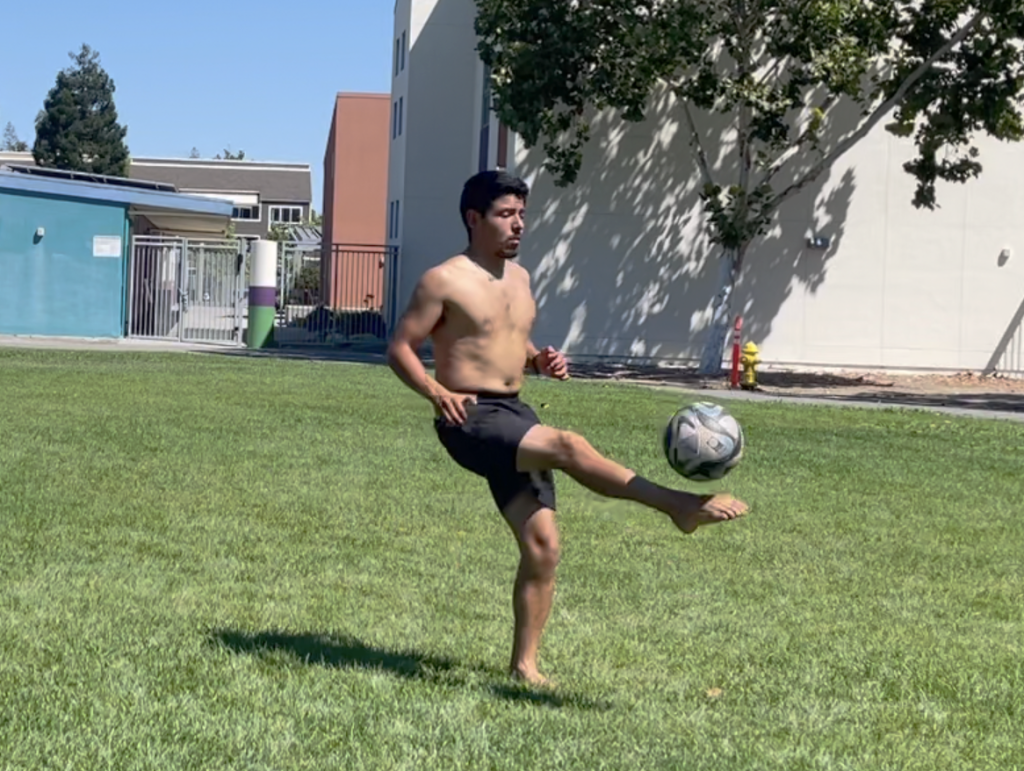
What are the best soccer injury prevention and safety tips?
Soccer usually gets a bad reputation from most neutral sports fans since they do not think of it as a contact sport because soccer players are known for diving and faking injuries a lot. Players dive to try to trick the referee into awarding a free kick, penalty kick, or to earn the opponent a yellow or red card, but just because some players dive does not mean all soccer injuries are fake.
The truth is, soccer is a contact sport, and contact injuries make up about 75% of all soccer injuries, while non-contact injuries make up the remaining 25%. If you’re a player, you already know how physically demanding soccer is.
But if you’ve never played competitively, try this: go outside and sprint at full speed for 10 seconds, then rest. Repeat that 10 more times.
Now grab a soccer ball and do the 10 sprints with the ball. Finally, repeat all 10 sprints, with the ball, and a physical defender who’s allowed to slide tackle you and push you to get the ball back – then tell me soccer isn’t a brutal contact sport that puts serious stress on your body.
In general, contact injuries are acute injuries, which means they happen suddenly during the impact, while non-contact injuries are a result of long-term repetitive stress and overuse of a dysfunctional body. Both types of injuries can be prevented, or at least significantly limited, by optimizing your daily lifestyle choices and training your body to function properly, which is exactly what I’ll show you how to do in this guide.
Reconnect with Nature and Use Natural Recovery Techniques
Your body operates on natural rhythms and cycles, also known as circadian rhythms, that have been disrupted by modern indoor living, artificial lighting, and constant screen time. Spending time outdoors, which means getting morning sunlight, sunlight in general, walking barefoot on grass to perform Grounding Therapy, and reducing exposure to artificial blue light at night, helps synchronize your circadian rhythm, reduce inflammation, lower stress hormones, and improve the recovery processes that keep your body resilient against injury.
Optimize Mitochondrial Function
Along with your circadian rhythms, your mitochondria, the powerhouses inside every cell, are responsible for producing the energy needed for movement, tissue repair, and recovery after training. When your mitochondria function optimally through proper sunlight exposure, grounding, quality in-season nutrition, and minimizing exposure to non-native EMFs, your body becomes better at healing naturally.
Improve your Mindset
Your mental state directly impacts your physical body, and chronic stress levels can elevate cortisol, increase inflammation, and slow down the recovery process. Developing mental resilience, composure, confidence, and staying present during games helps you make better split-second decisions on the field, improve situational awareness, and avoid dangerous situations before they lead to injury.
Train Your Neurofascial System
When it comes to the physical side, developing your neurofascial system, the interconnected web of connective tissue that runs throughout your entire body, with the right prehab exercises, is critical for injury prevention. A healthy fascial system acts like a shock absorber, dispersing impact forces evenly across your body instead of allowing all the damage to concentrate into one area.
Regain Full Foot and Toe Function
Your feet are your foundation and first point of contact with the ground during every movement on the field, but many players have weakened intrinsic foot muscles due to years of wearing restrictive footwear. Learning to consciously engage your feet and toes, especially the often-neglected plantar fascia, provides the stability and power transfer needed to prevent injuries up the entire kinetic chain.
Spend Time Barefoot and Wearing Barefoot Shoes Daily
Spending time barefoot is not only a great way to strengthen your fascia, but it also provides grounding therapy if you’re barefoot on natural surfaces, which can improve energy levels, recovery, and more. If you have to wear shoes, some of the best choices include minimalist and barefoot shoes that actually allow your feet to move, flex, and function naturally, instead of most modern cushioned shoes that restrict natural foot movement and weaken intrinsic foot muscles.
Get High Quality Deep Sleep
Sleep is when your body does the majority of its tissue repair, releases growth hormone, clears metabolic waste, and memory consolidation—making 7-8 hours of high-quality sleep essential for injury prevention, recovery, and your physical performance. Prioritize consistent sleep schedules, morning sunlight exposure to set your circadian rhythm, keeping your room cool and completely dark, and avoiding blue light after sunset to make sure your body can easily fall deeply asleep.
Focus on Nutritious Whole Foods
Nutrition plays a massive role in injury prevention because your body needs the right fuel to repair tissues, reduce inflammation, and handle the physical demands of soccer. The truth is, the food you consume will either speed up recovery and strengthen your body at the cellular level, or it will disrupt recovery and increase inflammation, making you more prone to overuse injuries and fatigue over time.
Stay Properly Hydrated
Proper hydration is essential for injury prevention because it supports joint lubrication, nutrient delivery to muscles and fascia, nerve signaling, and temperature regulation during intense activity. While water is the foundation of hydration, optimal fluid balance comes from a combination of water and electrolytes, minerals like sodium, potassium, calcium, and magnesium, which help your body absorb and retain fluids, sustain performance, and prevent cramps or fatigue during prolonged training or matches.
This means that water alone doesn’t hydrate; it’s actually more about what’s inside the water and where the water is sourced from, and you can also get your hydration from foods, not just liquids.
Use Smart Supplementation
While whole foods should always be your primary source of nutrition, smart supplementation with high-quality, bioavailable options like grass-fed beef organ capsules, functional mushrooms for immune function and inflammation reduction, and natural electrolyte powders can support your body’s recovery processes and fill nutritional gaps that make you more resilient to injury. The most important thing to understand when it comes to supplements is that these supplements work best when combined with proper sleep, nutrition, and training, not as replacements for the basics of performance and recovery.
Use EMF Protection Gear
Protecting yourself from non-native EMF radiation from cell phones, laptops, tablets, and other electronic devices is critical for injury prevention because electromagnetic radiation directly affects your mitochondrial function, which powers tissue repair, reduces inflammation, and keeps your body resilient against injury. Using EMF protection tools like blue light blockers after sunset, Faraday bags for your electronic devices, and wired air tube earbuds instead of wireless headphones helps minimize EMF exposure that disrupts your circadian rhythm, impairs recovery, and increases your risk of chronic fatigue and overuse injuries.
Improve your Athleticism
Improving your athleticism is one of the best ways to improve injury prevention because the more coordinated and controlled your body is, which is what athleticism is, the less likely you are to end up in awkward positions that lead to strains, tears, and other common soccer injuries. One of the best ways to improve your athleticism is through fascia training, which develops your body’s elastic properties and allows you to move with better reflexes, improved force transfer from the ground up, and greater efficiency by utilizing your tendons and connective tissue instead of relying solely on muscular effort.
Maintain Year-Round Fitness
Maintaining year-round fitness is essential for injury prevention because long breaks from training cause your body to lose adaptations, weaken your fascial system, and make you more vulnerable to injuries when you suddenly return to intense activity. Consistency with both training and recovery routines allows your body to make real adaptations and stay resilient, rather than going through repeated cycles of deconditioning and ramping back up that force your tissues to handle sudden loads they’re not prepared for.
Have Warm-Up and Cool-Down Routines
Before any training session, it is important to have a proper warm-up, and after the training session, it is just as important to have a cool-down routine. Warm-ups that include myofascial release, fascia training, dynamic stretching, and light ball work prepare your nervous system and elevate body temperature to reduce injury risk, while cool-downs help your body gradually return to its resting state and prevent the stiffness and soreness that can turn into chronic overuse injuries over a long period of time.
Play Multiple Soccer Variations
Although soccer is your main focus as a soccer player, obviously, playing other variations of the beautiful game is important because it helps prevent overuse injuries by varying movement patterns, angles, and physical demands on your body instead of repeatedly stressing the same tissues in the exact same way. Playing futsal, small-sided pickup games, beach soccer, street soccer, or any other variation of the game develops better adaptability, improves your technical skills in confined spaces, and builds the well-rounded athleticism that makes your body more resilient to the unpredictable movements and situations you’ll face in competitive soccer games.
Cross-Train with Other Sports
Contrary to popular belief, playing other sports besides an athlete’s main sport can decrease the risk of injury by working different muscle groups, training varied movement patterns, improving overall balance, coordination, and athleticism, and even preventing burnout from overtraining your main sport. Activities like basketball, tennis, swimming, boxing, and track and field not only keep training fun and engaging but also build explosive strength, cardiovascular fitness, and mental resilience that directly translate to better performance and fewer injuries on the soccer field.
Choose the Right Soccer Cleats
Wearing the right soccer cleats is critical for soccer injury prevention because ill-fitting footwear is a major risk factor for common soccer injuries like ankle sprains, knee injuries, plantar fasciitis, and lower extremity injuries that affect both youth soccer players and professional athletes. The most comfortable cleats are typically wide cleats made from leather that mold to your foot, reducing injury risk by providing proper support during training sessions and matches, which helps prevent non-contact injuries caused by poor biomechanics and compensatory movement patterns.
Always match your cleat type to your playing surface—firm ground for natural grass, artificial grass for turf, soft ground for wet fields—because using the wrong studs on the wrong surface creates unnecessary stress on your ankle and knee joints, increasing the risk of overuse injuries and other sports injuries that keep you off the field.
Wear the Right Protective Gear
Wearing proper protective gear, especially shin guards, is non-negotiable for soccer injury prevention because they protect your lower legs from kicks, tackles, and collisions that cause common soccer injuries like fractures, bruising, and contusions. Always wear properly fitted shin guards that stay in place under your socks, and consider additional protective equipment like headgear if you’re prone to head injuries, and compression gear for extra support.
Quality protective training gear, equipment, and accessories significantly reduce injuries and give you the confidence to play aggressively without fear, making it essential safety equipment for anybody who wants to play the game.
Practice Fair Play and Respect
Finally, practicing fair play and respect on the field is essential for soccer injury prevention because reckless tackles, dangerous play, and unnecessary aggression dramatically increase the risk of injury for both you and your opponents, turning avoidable situations into serious sports injuries. Teaching young athletes proper technique, respecting the rules of this team sport, and playing with controlled intensity reduces the injury rate across youth soccer and professional levels, creating a safer environment where players can compete hard without causing preventable soccer injuries that result from poor sportsmanship or illegal challenges.

Final Thoughts
To summarize, soccer injury prevention isn’t about luck; it’s about making smart daily choices that optimize your mitochondrial function, nutrition, sleep, training, and recovery while wearing proper protective gear like shin guards and the right cleats for your playing surface. The injury prevention and safety tips outlined in this guide work for youth soccer players, professional soccer players, and everyone in between, helping you reduce injuries, improve sports performance, and extend your career by treating your body with the same discipline and attention you give to your training sessions.
Frequently Asked Questions
What are the most common soccer injuries?
The most common soccer injuries include ankle sprains, knee injuries (especially anterior cruciate ligament tears), hamstring injuries and hamstring strains, muscle strains in various muscle groups, shin splints, head injuries and concussions, groin pulls, and lower extremity injuries affecting the knee joint and ankle bone. Other frequent sports injuries in soccer include quadriceps strains, calf injuries, patellar tendonitis, orthopedic injuries from collisions, and overuse injuries that develop from repetitive stress to a dysfunctional body while playing soccer.
How do you improve sports performance in youth soccer and professional soccer players?
To improve performance in both youth soccer and professional soccer players, it is very important to prioritize improving the pillars of development, which include talent, soccer IQ, mindset, athleticism, fitness, and recovery. No matter your age or playing level, improving these pillars through proper training and recovery routines will reduce your risk of injury, prevent common soccer injuries like ankle sprains and hamstring strains, and allow you to perform at your highest level consistently.
What are the best soccer recovery options for players?
The best soccer recovery options for players include high-quality soccer recovery equipment, effective injury prevention tools, and structured habits built through following consistent routines, from training routines and daily routines to morning routines that support performance and longevity. It is also important for players to invest in off-field recovery tools and in-game protective gear, such as compression gear, shin guards, supportive footwear like barefoot shoes, extra recovery accessories such as EMF protection for soccer players, and foundational support from soccer supplements to help the body recover, adapt, and stay resilient throughout the season.
