


The Best Recovery Session for Soccer Players on Rest Days
If you are looking for the best recovery session for soccer players, then you have come to the right place. Recovery is a vital part of every soccer player’s routine, and it is just as important, if not more important, than all of the mental and physical training you do on the field because you can only train as hard as your body has recovered.
Nowadays, most soccer players have a false idea of what real recovery is because so much information online makes it hard to know what is true and what isn’t. As a kinesiology graduate, personal trainer, sports coordinator, and amateur footballer, I can tell you right now that real recovery isn’t a random “recovery session” you do once a week.
Real recovery comes from working with nature, which means using natural recovery methods daily and consistently that improve your mitochondrial function and align your circadian rhythms. This means getting morning sunlight exposure to set your body’s internal clock, prioritizing 7-8 hours of quality sleep in a dark room, eating nutrient-dense whole foods, staying properly hydrated with clean water that has natural electrolytes, spending time barefoot on natural surfaces for grounding therapy, and protecting yourself from excessive artificial light and Non-native EMF exposure.
The truth is, if you want to become a better player in all aspects of the game and get in better shape, you should be doing all of these things daily, and at least once a week, have a full rest day where you focus on an intentional recovery session that combines the 9 essential elements on this list.
If you’re interested in taking your training to the next level with a structured program, you can reach out to me or learn more here.
What is the Best Recovery Session for Soccer Players?
As I explained above, a “recovery session” isn’t an hour-long training session you do in a gym, where you foam roll for 10 minutes, get on a stationary bicycle for 15 minutes, and then do some mobility exercises. Those activities could help under the right conditions, but you are better off prioritizing what actually matters for recovery and helps you recover faster naturally over time.
This means that your “recovery session” starts from the minute you wake up and ends the minute you fall asleep, and we’ll call these the basics. Once you have the basics down, you can do a recovery session of light activity or movement, but depending on your training schedule, you can even take an entire day off once a week.
Sleep
Get 7-8 hours of high-quality deep sleep the night before. Also, try to sleep and wake up in line with the light-dark cycle, which means watching sunrises and sunsets as much as possible.
Sunlight
Get as much sunlight as possible, especially in the morning, to help align your circadian rhythm and build a “solar callus” that better absorbs and uses the Sun’s light energy.
Get Grounded
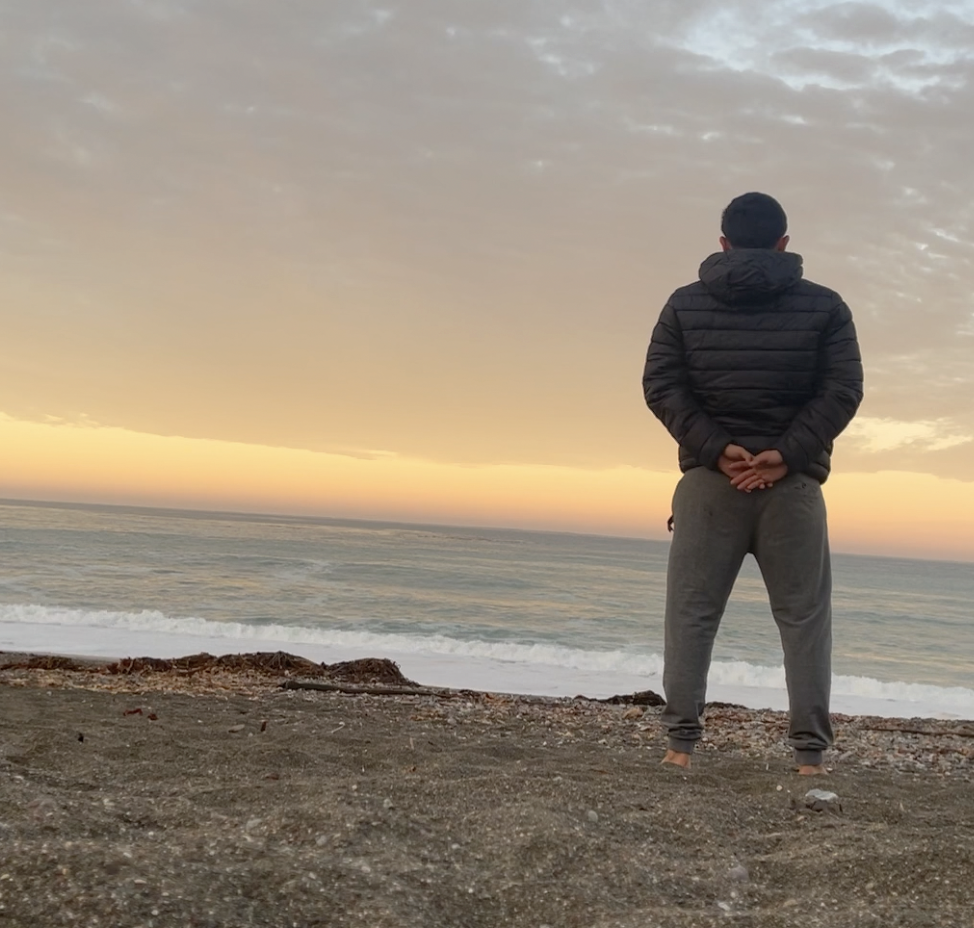
Spend time barefoot on natural surfaces like grass, dirt, or sand to experience the benefits of grounding therapy. Grounding therapy is the act of putting your bare skin on the surface of the Earth to absorb free electrons, or free-flowing energy that helps reduce inflammation, improve sleep quality, and support the body’s natural recovery processes.
EMF Exposure and NNEMF Protection
Protect yourself from non-native EMF, including radiation from electronic devices, Wi-Fi, and 5G, and surround yourself with native EMFs, including sunlight and the Schumann Resonance the planet produces.
Nutrition
For nutrition, focus on eating local, organic, and nutrient-dense foods such as pasture-raised eggs, grass-fed meats, wild-caught fish, raw honey, raw dairy, in-season fruits, and in-season vegetables.
Hydration
Stay properly hydrated throughout the day by drinking clean, filtered water with natural electrolytes and trace minerals. Avoid tap water that contains chlorine, fluoride, and other chemicals that disrupt your gut microbiome and mitochondrial function; instead, drink natural spring water or properly filtered water, ideally stored in glass or stainless steel.
Light Movement
When it comes to light movement during a recovery session, you can do a variety of things at a low to medium intensity for as long or as short as you’d like. The point is to warm up your body’s core temperature, bring blood flow throughout the entire body, and get some movement in, such as one or a combination of the following:
- Dynamic stretching
- You can do some static stretching if you really want to, but it’s best to do pandiculations
- Self-myofascial release massage with a massage ball or tennis ball
- A type of foam rolling massage technique
- Cross-training
- Play another sport at a low to medium intensity
- Go on a light walk, hike, or jog in nature
- Barefoot juggling with the ball
- Any other light activity you enjoy
Final Thoughts
To summarize, recovery is one of the most important parts of performance for football players, along with developing talent, technical ability, a strong mindset, an athletic skill set, and high fitness. Without proper recovery, all the training in the world won’t be as effective as it could be because you can only perform as well as your body has recovered.
The natural recovery techniques in this guide don’t require expensive training gear, equipment, or accessories because they’re basically free. They just require consistency over a long period of time, along with the proper training, to give the best results.
Remember that even though you should be doing these things as much as possible daily, it is also important to have one full recovery session per week where you combine multiple techniques, take a complete rest day from training, and give your body the focused attention it needs to fully recover.
Frequently Asked Questions
What is an example of a recovery session for soccer?
For an exercise science-based recovery session for soccer players, it is very important for players to do either of the following: Do all of the basics discussed above with no activity, which means taking the full day off, or do all of the basics discussed above and a 30-60 minute session of light movement outside, under the sun, and barefoot if possible.
For example,
- -Roll out fascia adhesions – 10-15 minutes
- -Barefoot juggling: 10-15 minutes
- -Play Basketball 10-15 minutes
- – Go on a walk 10 – 15 minutes
What is the difference between passive and active recovery as a soccer player?
The two main types of recovery that players can use after a soccer match or soccer practice are active recovery and passive recovery.
Passive recovery involves methods that let your body recover without physical activity. This includes complete rest days, sleep, cold therapy like ice baths, heat therapy, massage therapy, compression therapy, and Epsom salt baths—techniques that promote healing while your body stays still.
Active recovery, on the other hand, involves low-intensity exercises that bring blood flow to sore muscles and maintain flexibility without placing significant stress on the body. Examples include a light jog at a walking pace, dynamic stretching, rolling out, and cross-training.
What are the best soccer recovery options for players?
The best soccer recovery options for players include high-quality soccer recovery equipment, effective injury prevention tools, and structured habits built through following consistent routines, from training routines and daily routines to morning routines that support performance and longevity. It is also important for players to invest in off-field recovery tools and in-game protective gear, such as compression gear, shin guards, supportive footwear like barefoot shoes, extra recovery accessories such as EMF protection for soccer players, and foundational support from soccer supplements to help the body recover, adapt, and stay resilient throughout the season.
