
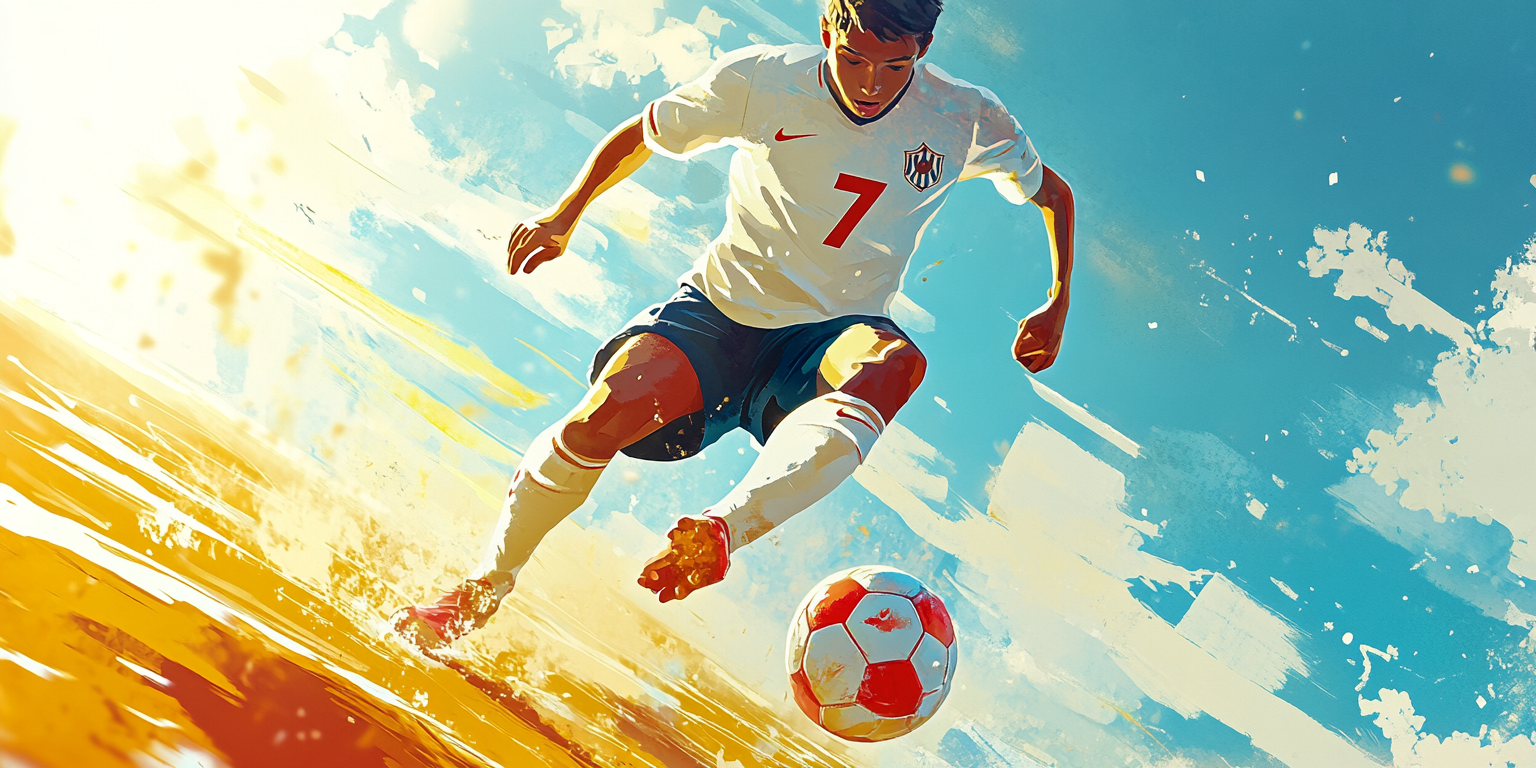

9 Different Types of Turns in Soccer to Beat Defenders
One of the most important skills every soccer player must develop is the ability to turn with the ball in different ways to avoid losing it and maintain possession. Knowing how to turn in all directions and with different techniques gives you options in any situation, and the more comfortable you are turning, the harder you become to defend.
The key to using different turns effectively in a real game is understanding where the pressure is coming from, how quickly it is coming, where your teammates are, how many touches you need, and which turn to choose in that moment. In this post, I’ll go over 9 types of turns in soccer so you can start incorporating them into your game and become a more creative, unpredictable, and effective player on the ball.
If you want to take your training to the next level with a structured program, reach out to me or learn more here.
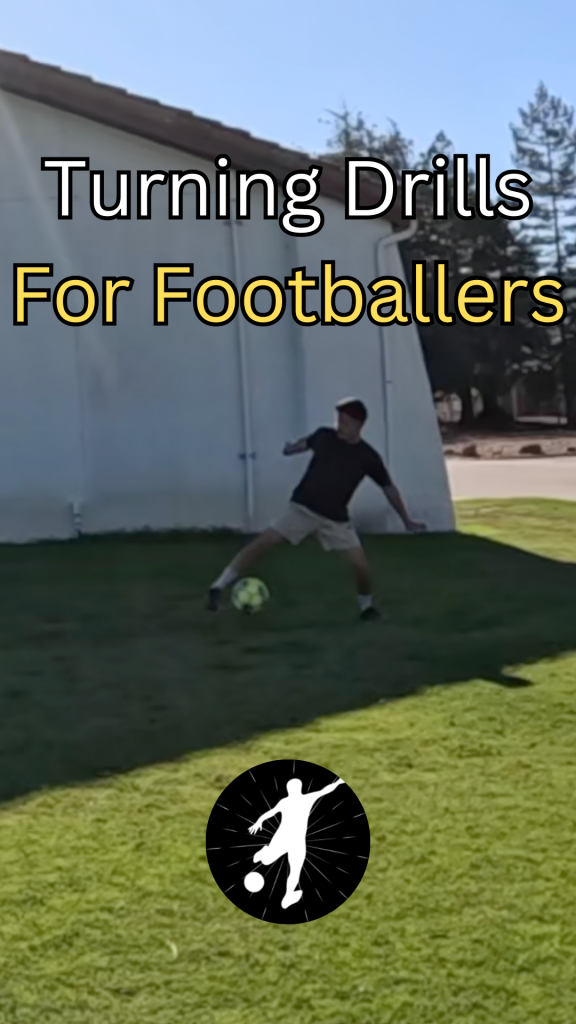
What are the different types of turns in soccer?
Turning in soccer is one of the most important skills, alongside ball control, first touch, dribbling, shooting, passing, defending, awareness, decision-making, composure, and creativity. All of these skills develop faster when you follow the tips below and consistently work on the key pillars of player development: talent, game IQ, mindset, athleticism, fitness, recovery, and discipline, because being able to execute a turn effectively under real game pressure requires more than just practicing the movement in isolation.
Inside of the Foot Turn
The inside-of-the-foot turn is the most basic and reliable in soccer, done by pushing the ball in the opposite direction at about a 45-degree angle while pivoting your body to face the new space. It is best used when you have limited space and need a simple, controlled way to change direction without losing the ball.
Outside of the foot turn
The outside-of-the-foot turn uses the outer surface of the foot to push the ball away at an angle, letting you turn quickly in one fluid movement without repositioning your foot before the touch. It is most effective when a defender is tight behind you, and you need to shift the ball into space quickly without telegraphing your direction.
Thiago Turn (Outside of the foot variation)
The Thiago turn is a more advanced variation of the outside-of-foot turn, made famous by Thiago Alcantara. For this move, the receiver must stay relaxed, and as the ball comes their way, they should reach slightly across in front of the ball, like a fast feint in one direction, then poke it with the outside of their foot in a sharp, unexpected direction.
Drag the ball with the sole: 90-degree turn.
This turn involves placing the sole on the ball and dragging it sideways at a 90-degree angle to change direction quickly and sharply. It is particularly effective when a defender is directly behind you, and you want to shift the ball to the side and accelerate into space in one smooth movement.
Drag the ball with the sole, then snap it with the inside of the same foot.
This turn starts the same as the sole drag but adds a quick snap with the inside of the same foot to redirect the ball forward with pace after the drag, making it much harder for the defender to anticipate the direction and speed of your next touch. The combination of drag and snap creates a two-part movement that gives you extra separation before accelerating away; the more fluid and connected the two actions feel, the more effective the move will be.
Flick behind the Standing Leg
This turn involves flicking the ball behind your standing leg with the inside or outside of your other foot, redirecting it in the opposite direction in a single deceptive movement that’s hard for defenders to track. It requires good coordination and timing and can be hard to perform correctly, but when executed, it is very effective.
Step and Stop the Ball
The step-and-stop turn involves stepping over or past the ball to fake movement in one direction, then stopping the ball with the sole of your foot and turning sharply in the opposite direction. The deception comes from the exaggerated step, which sells the fake and forces the defender to commit before you change direction.
The more convincing your body movement is during the step, the more separation you will create when you stop and go the other way.
No Touch Turn
The no-touch turn is one of the most deceptive moves in soccer, where you let the ball run past you without touching it, allowing it to reach a teammate or open space behind you while the defender expects you to control it. The key is selling the body movement convincingly so that the defender commits to the ball before realizing you let it go intentionally, and developing this turn requires strong awareness and game IQ to know exactly when and where to use it.
Inside to Inside of Foot
This turn uses the inside of one foot to tap the ball across to the inside of the other, letting you shift your weight and change direction smoothly in a single flowing movement. It is a subtle but effective turn that works well in tight spaces where a larger movement would give the defender time to recover and close you down. The quicker and more connected the two touches feel, the harder it becomes for the defender to track the ball and adjust their position.
Final Thoughts
Developing a wide range of turns is one of the best ways to become a more unpredictable and effective player, because the more options you have when you receive the ball under pressure, the harder you are to defend against in any situation. Start by getting comfortable with the simpler turns, such as the inside- and outside-foot turns, then gradually work the more advanced ones into your training until they feel natural at game speed.
Remember, the best turn is always the one that makes the most sense for that moment, so develop all 9 consistently and trust your instincts to choose the right one when it matters most.
Frequently Asked Questions
What is the best way to stay consistent with mindset training in soccer?
The best way to stay consistent with mindset training in soccer is to build simple habits like journaling, visualization, and positive self-talk. Players can also use tools such as a soccer training journal, a performance tracker, a mental training book, and other mental training tools to help structure, make it more consistent, and make their mindset more measurable.
What gear and equipment do I need to improve my soccer skills?
The best thing about soccer is that you don’t need much equipment or accessories to start playing and improving. All you really need is a soccer ball, but the more seriously you want to play, the more gear you will need, such as soccer cleats, shin guards, grip socks, shorts, and shirts, plus equipment like cones, rebounders, ball pumps, soccer bags, etc.
How do I improve my soccer skills?
To improve your soccer skills, play the game and its variations as much as possible while dedicating time to mastering fundamentals like ball control, passing, shooting, dribbling, and defending. Combine regular team training with solo drills, small-sided games, and feedback from coaches, teammates, and professional matches to speed up your progress, and follow this guide for a more comprehensive plan.
