
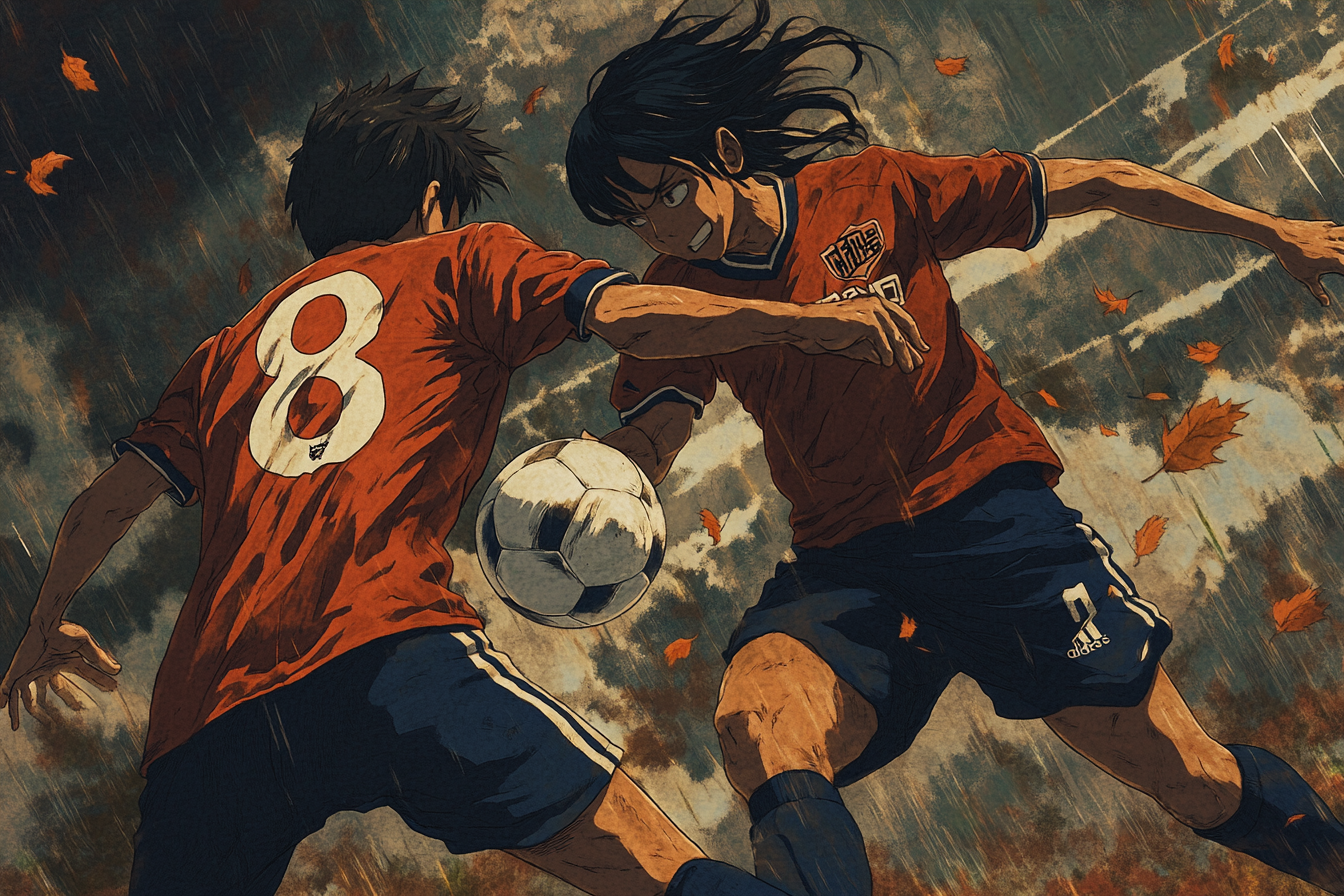

The Dark Arts in Soccer: 5 Ways to Bend the Rules
What if I told you that the most successful soccer teams in the world don’t just win with talent and tactics, they win by cheating? Well, not exactly cheating, but they have mastered something controversial which are called the dark arts.
Soccer is usually known for its beauty and skill, which is why it has the nickname “the beautiful game”; however, there’s a hidden side known as the dark arts in soccer that can completely change games. Dark arts, such as tactical fouls, time-wasting techniques, and more, have become so common that even Premier League clubs like Manchester City and Arsenal use them regularly.
As a result, a lot of players watching these games see these tactics working and decide to use them too, which is why you see these dark arts at all levels of the game nowadays. Improving your understanding of when and how to use these dark arts is part of your game IQ, which is one of the key pillars of player development, along with talent, mindset, athleticism, fitness, recovery, and discipline.
Dark arts are also skills that can be improved just like any other soccer skill, such as ball control, first touch, dribbling, shooting, defending, decision-making, composure, awareness, and creativity, but there can be consequences. In this blog post, I will go over five ways to bend the rules in soccer to your advantage.
If you’re interested in taking your training to the next level with a structured program, you can reach out to me or learn more here.
What are the most used Dark Arts in Soccer?
How you see these dark arts, smart or unsporting, is up to you, but there is no denying they can have a huge impact on a game, especially because sometimes referees might not see them in real time. Dark arts usually also come with red, yellow cards, and/or controversy, so it’s important to know when to use them, whether that is by listening to your coaches or trusting your instincts to read the flow of the match.
Tactical Fouls
A tactical foul is when a player commits a “smart foul” to stop a counterattack or break the opponent’s play in a last-ditch effort. The most important thing here is timing and positioning because you’re not trying to injure your opponent, but you are fouling them with the understanding that you might get sent off, cause a free kick, or penalty kick, in return for stopping a clear goal-scoring opportunity.
Time Wasting
Time wasting is a classic dark art used to slow down the game during goal kicks, throw-ins, substitutions, or any dead-ball situation, especially when a team has a lead. Players can even waste time during open play, usually when a team has the lead and they’re in stoppage time, such as by taking the ball to the corner flag and shielding the ball from the other players.
Diving / Faking Injury
Diving or simulation is something that a lot of soccer players are known for, and it is the act of exaggerating contact to win a free kick or penalty. Players can also fake injury to waste time, and the sad part is that basically every player at the top level does so its basically part of the game at this point.
Psychological Warfare
Psychological warfare in soccer involves things like trash-talking, mockery, or other forms of mind games to put pressure on the opponent and disrupt their focus. Players might engage in subtle taunts or comments to try to get under the skin of key players to provoke mistakes or get a reaction from them that could lead to a yellow or red card.
Depending on what you say to a ref or a player, the referee also has the right to book you for unsporting behavior or dissent, so the smart players know how to push boundaries without crossing the line into obvious verbal abuse.
Set Pieces
Set pieces like a corner, penalty, and free kicks have dark arts of their own, which are basically some of the dark arts above with a twist.
- Corner Kicks:
- Players often use corners as an opportunity to disrupt the opponent’s defensive shape by crowding the goalkeeper or subtly blocking defenders. Some teams use short corners to catch the opposition off guard, while others might take a long time to set up, wasting precious seconds, especially when they have a lead.
- Penalty Kicks:
- In penalty situations, players might engage in mind games, such as delaying their run-up to unsettle the goalkeeper, or faking to one side before striking in the opposite direction. Some players also try to use psychological tricks, like staring down the goalkeeper or talking to them to throw them off.
- Free Kicks:
- When awarded a free kick, players can again take a long time to set up or take advantage of referees by pretending to be fouled to gain that free kick in a dangerous position.
Final Thoughts
To summarize, the dark arts in soccer are part of the game, whether players like it or not and they blur the line between clever game management and unsporting behavior. With that said, they’ve become an undeniable part of how Premier League clubs and Champions League teams can gain advantages over their opponents and win games.
Whether you see these tactics as a smart strategy or dirty play, there’s no denying that mastering time wasting, tactical fouls, and psychological warfare can be the difference between winning and losing a football match.
FAQs
Why is fair play important in soccer?
Fair play is essential in soccer because it maintains the integrity and spirit of the beautiful game, ensuring that matches are decided by skill, tactics, and teamwork rather than just gamesmanship and rule-bending. While dark arts exist and are used by teams to gain advantages, fair play principles help preserve respect between players, referees, and fans, making soccer enjoyable and competitive at all levels of the game.
How can players prepare to deal with the dark arts in soccer?
Players can prepare for dark arts used by other players by improving their game IQ, awareness, and decision-making so they recognize when opponents are trying to bend the rules. Players can also use sports psychology techniques consistently, such as positive self-talk, visualization, journaling, and entering the flow state to learn how to play without fear.
What gear and equipment are needed to improve my soccer skills?
The best thing about soccer is that you don’t need a lot of equipment and accessories to start playing and improving. All you really need is a soccer ball, but the more serious you want to play, the more gear you will need, such as soccer cleats, shin guards, grip socks, shorts, and shirts, and soccer equipment, such as cones, rebounders, ball pumps, soccer bags, etc.
What are the best soccer recovery options for players?
The best soccer recovery options for players include high-quality soccer recovery equipment, effective injury prevention tools, and structured habits built through following consistent routines, from training routines and daily routines to morning routines that support performance and longevity. It is also important for players to invest in off-field recovery tools and in-game protective gear, such as compression gear, shin guards, supportive footwear like barefoot shoes, extra recovery accessories such as EMF protection for soccer players, and foundational support from soccer supplements to help the body recover, adapt, and stay resilient throughout the season.
