


How to Develop Presence in Soccer: 5 Tips to Help You Stand Out
As a soccer player, you can watch as many games as you’d like, and you’ll notice that the players who get the most attention aren’t always the fastest or most skillful; they’re the ones who seem to control every moment they’re involved in through their sheer presence alone. Presence in soccer refers to a player’s ability to influence the match through their decision-making, communication, leadership, and confidence during high-pressure moments.
Nowadays, many players mistakenly believe presence and talent are innate traits they’re born with, but the truth is, anyone can develop these traits with the right training plan. As a player, you can show your presence on the field not only through communication and leadership, but also through the way you carry yourself, move, and impact the game in every moment.
Presence is something that naturally develops over time as you continue to improve the main pillars of player development, which include talent, game IQ, mindset, athleticism, fitness, recovery, and https://coachdanielpt.com/best-soccer-prehab-exercises/discipline. As a soccer player, coach, and sports coordinator, I’ve noticed that players with strong presence, meaning the player who instantly stands out for one reason or another, consistently make the right decisions, communicate better with teammates, and maintain composure even under intense pressure.
That’s why, in this blog post, I’ll share 5 proven strategies to help you develop the presence needed to stand out on the soccer field. If you’re interested in taking your training to the next level with a structured program, you can reach out to me or learn more here.
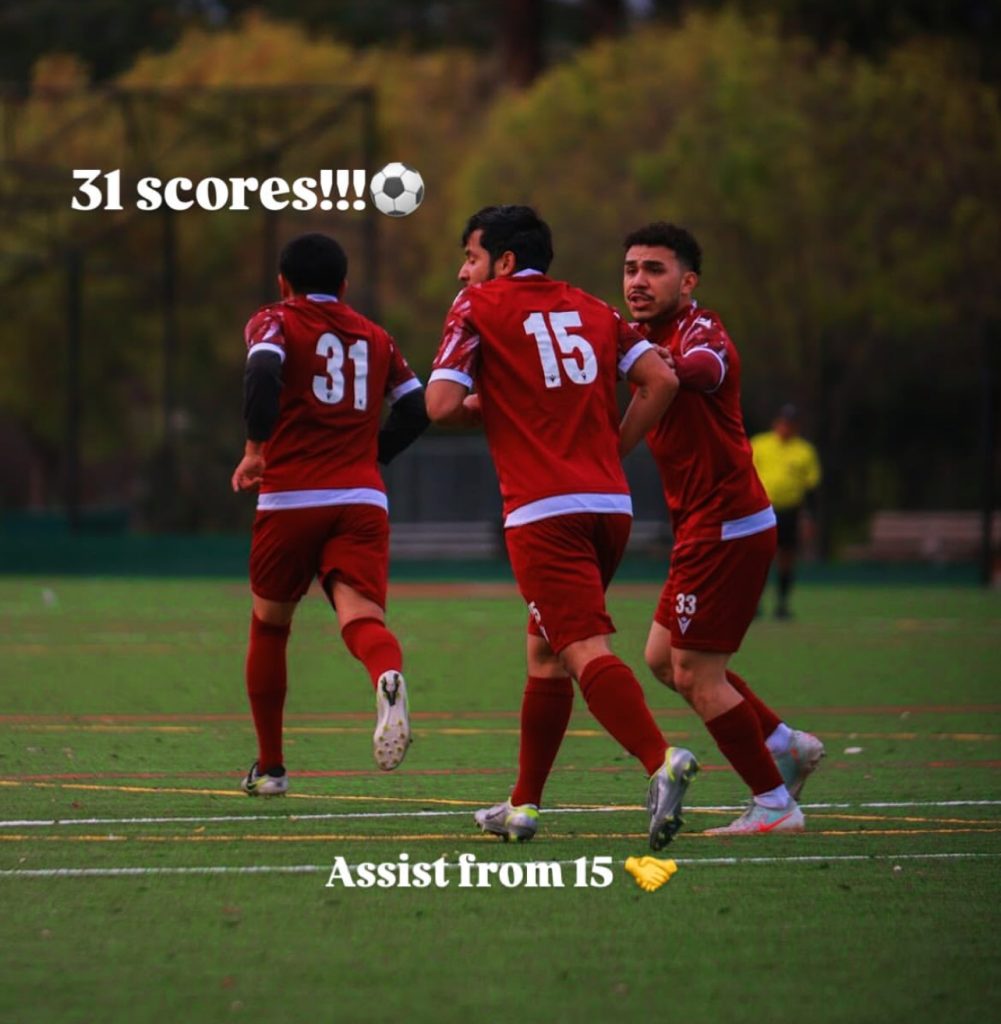
How do you Develop Presence in Soccer?
Developing presence in soccer requires a holistic approach that combines mental training, physical preparation, recovery, and tactical understanding to build the confidence needed to make an impact at any moment during a game. The following strategies will help you build the mental and physical foundation you need to stand out in training sessions, matches, and any situation where your team needs your presence most.
Hone your Talent
Natural talent is the foundation for developing presence on the field, but it must be paired with consistent training and recovery to truly stand out. The best ways to hone your talent involve playing a lot of soccer, either through team training, small-sided games, soccer variations like futsal, and learning from experience, as well as improving the other pillars of player development.
To let your talent shine, it is also important to focus on improving the fundamental skills of the game, which include:
- Ball control
- First touch
- Passing
- Dribbling
- Shooting
- Defending
- Developing your weaker foot
- Awareness
- Decision making
- Composure
- Creativity
Improve your Physical Abilities
Just as important as honing your talent is improving your physical abilities, which includes your overall athleticism and fitness. If you have the talent to play at a high level, but not the physical conditioning to sustain that high performance throughout the entire match or training session, you’ll struggle to maintain presence when teammates and coaches need you most.
To build your physical abilities, again, play a lot of soccer, work on high-intensity agility and sprint drills, cross-train with other sports, improve your fascial fitness, train barefoot a lot, and do different breathwork exercises.
Build A Strong Mindset, High Self-Confidence, and Self-Worth
How you view yourself and handle high-pressure situations plays a crucial role in developing presence on the soccer field. Soccer players with strong self-confidence and self-worth can make better decisions without second-guessing themselves and maintain consistency and composure during high-pressure situations.
This ability to maintain self-confidence under pressure and avoid folding in high-stakes situations separates players with a commanding presence from those who become invisible when it matters most. To build a strong mindset as a footballer, it is also important to use goal setting, positive self-talk, journaling, and visualization, while learning how to handle criticism, play without fear, and manage pre-game nerves.
Improve Your Mitochondrial Function and Circadian Rhythm
Mitochondrial function and Circadian Rhythms are the most important parts of health that impact every aspect of your performance, from your ability to make quick decisions during matches to your energy levels and recovery. Soccer players who consistently optimize their light exposure, sleep quality, nutrition, hydration, and overall environment, including minimizing non-native EMF exposure, can experience lasting improvements in energy, recovery, and overall performance over time.
Build Leadership Qualities
Strong leaders on the soccer field communicate clearly with teammates, support them during challenging moments, and keep the team focused by setting a positive example through their actions and attitude. Leadership on the pitch isn’t all about being the loudest voice, although that could help.
Leadership is more about consistently making informed decisions and maintaining self-confidence that inspires teammates to play harder and supporters to cheer louder.
Final Thoughts
Developing presence in soccer takes consistent practice and a focus on building self-confidence, but the strategies outlined in this post will help soccer players make informed decisions and control key moments during training sessions and matches. By adding these 5 tips to your daily and weekly routines, you can learn to influence teammates, perform under pressure, and create missed opportunities for opponents through your commanding presence alone.
Remember, developing presence takes patience and commitment; it won’t happen overnight.
FAQs
How to Stop Being Shy on the Soccer Field?
To stop being shy on the soccer field, build self-confidence through consistent practice and positive self-talk, while gradually pushing yourself outside your comfort zone during training sessions and small-sided games. Start by communicating more with teammates during practice, making informed decisions without second-guessing yourself, and remembering that making mistakes is part of the learning process – what matters most is how you react and what you learn from it.
What are the 3 C’s in soccer?
The 3 C’s in soccer typically refer to Communication, Confidence, and Composure—three essential mental skills that help players maintain focus, make informed decisions under pressure, and work better with teammates. These qualities are fundamental to developing presence on the soccer field because they let players influence matches through leadership, decision-making, and overall impact.
What gear and equipment are needed to improve my soccer skills?
The best thing about soccer is that you don’t need much equipment or accessories to start playing and improving. All you really need is a soccer ball, but the more seriously you want to play, the more gear you will need, such as soccer cleats, shin guards, grip socks, shorts, and shirts, and soccer equipment, such as cones, rebounders, ball pumps, soccer bags, etc.
