

7 Best Cold Weather Soccer Gear Items To Buy in 2026
One reason soccer is called the beautiful game is that you can play it anytime, anywhere, rain or shine. A soccer game is usually canceled only in a storm, snowstorm, or extreme conditions like lightning or unsafe field conditions, but in general, cold weather isn’t enough to stop a game.
Whether you’re in a soccer match, a friendly pickup game, or a training session, the cold can challenge your body’s endurance, flexibility, and control, making the right training gear important for playing your best. As a soccer player, trainer, and sports coordinator, I’ve played and hosted games in various weather conditions, from freezing mornings to rainy evenings, and one thing is always the same: preparation makes all the difference.
The right cold-weather soccer gear not only keeps you comfortable but also helps prevent muscle and fascia tightness, fatigue, and injuries that can happen when your body isn’t properly warmed up. To stay warm and maintain mobility in cold weather, dress in layers that protect against cold air and can be easily removed as your body warms up.
Cold-weather training gear won’t instantly make you a better soccer player or get you in better shape, but it will help you feel more confident, move more freely, and perform at a higher level when conditions are at their toughest. Here’s a breakdown of the best gear, equipment, and accessories every soccer player should have to stay active, sharp, and protected throughout the cold season.
What is the best Cold-Weather Soccer Gear to Stay Warm While Playing?
Soccer Cleats

Soccer Cleats
$Price Varies
On a frosty, slippery field, you’ll need cleats that fit well and give you plenty of grip to stay in control. When it comes to soccer cleats, one of the most important things to make sure of is the right stud pattern and soleplate for the surface you plan to play on.
Long Sleeve Undershirt

Long Sleeve Undershirt
$28.25
A long-sleeve undershirt acts as your first line of defense against freezing temperatures. These base layers trap heat close to the skin while using moisture-wicking materials to keep sweat from making you cold.
Ideally, choose an undershirt that is made out of natural materials like cotton, but using one made of polyester, like most modern compression base layers, occasionally is also okay.
Soccer Gloves
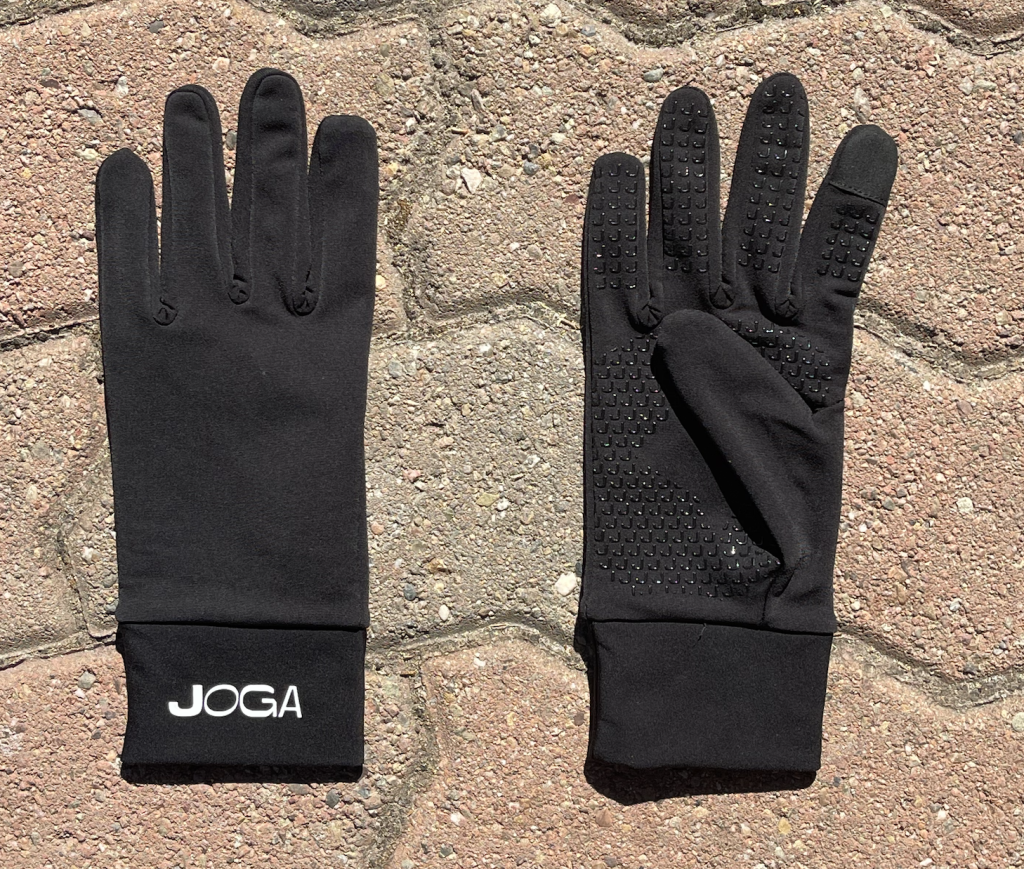
Soccer Gloves
$19.95
Cold hands can quickly affect your focus, reaction time, and overall comfort on the field, especially in low temperatures. Soccer gloves are one of the most common pieces of cold-weather soccer gear made with lightweight, insulated materials that keep your hands warm without sacrificing mobility.
Snood

$15.99
A snood, also called a neck warmer or face mask, helps block cold air from hitting your neck and face, two areas where heat escapes quickly. They provide an extra layer of warmth without restricting movement or breathing during play.
Depending on how cold it is, many players leave it at their neck or pull it up past their ears.
Jackets and Hoodies

Soccer Jacket
$29.99
A quality soccer jacket or hoodie is key for warm-ups, breaks, and post-training recovery during winter. These outer layers provide insulation, block wind, and keep you warm, while remaining breathable enough for movement.
Look for lightweight, flexible materials that trap heat without feeling bulky, which are perfect for layering over your base gear before stepping onto the pitch.
Pants

Adidas Men’s Tiro 23 Pants
$Price Varies
Soccer pants are one of the most underrated essentials for cold-weather training because they help keep your legs warm and loose. Look for insulated, moisture-wicking materials that trap heat without restricting movement and allow for a full range of motion during sprints, passes, and dynamic stretches.
The right pair will keep your muscles warm without feeling heavy or restrictive, helping you stay agile and explosive on the pitch.
Scarves

A soccer scarf may seem simple, but it adds valuable warmth and protection from cold winds and icy air. Wrapping a scarf around your neck helps trap heat and block wind from entering your jacket collar, keeping your upper body warmer for longer.
Although you won’t use it during the game, it’s perfect for warm-ups, halftime, or when you’re on the sidelines waiting to sub in.
Final Thoughts
Cold-weather soccer gear isn’t just about comfort; it’s about performance, consistency, and injury prevention. The right layers, cleats, and accessories keep your muscles warm, your body loose, and your focus sharp, even when temperatures drop below freezing. Investing in high-quality gear lets you keep training, improving, and performing when others take a break, proving that preparation truly separates great players from the rest.
Frequently Asked Questions
What do soccer players wear when it’s warm?
Soccer players, like all athletes, wear clothing such as long-sleeve undershirts, gloves, beanies, face masks, jackets, pants, and more to stay warm during games and training sessions. The key is choosing lightweight, moisture-wicking materials that regulate body temperature and allow freedom of movement without overheating.
How cold is too cold for soccer?
The threshold for “too cold” for soccer depends on factors like age, experience level, and preparedness, so players should monitor their body’s responses, wear appropriate cold-weather gear, and understand what weather they can tolerate with and without extra gear. Generally, temperatures below freezing (32°F / 0°C) require extra precautions, shorter training sessions, and more frequent breaks to stay safe and maintain performance.
What gear and equipment are needed to improve my soccer skills?
The best thing about soccer is that you don’t need much equipment or accessories to start playing and improving. All you really need is a soccer ball, but the more seriously you want to play, the more gear you will need, such as soccer cleats, shin guards, socks, shorts, and equipment, such as cones, rebounders, ball pumps, soccer bags, etc.
